

Founding Member: International Federation of Yacht Charter Agents

Verified & Protected by Pantaenius Yacht Insurance.
Charter Payment Protection
Insolvency Protection
Safe Payment
Muti-Currency. Lossless Forex
Low Price Guarantee
Exclusive Deals No Hidden Fees
Ultimate Guide To A BVI Yacht Rental
Located in the Caribbean’s Leeward Islands, this former haunt of pirates, including the infamous Blackbeard, is now host to one of the world’s premier sailing destinations. A BVI yacht rental is the perfect social distancing vacation with plenty to see and do around the islands and the ocean which surrounds them.
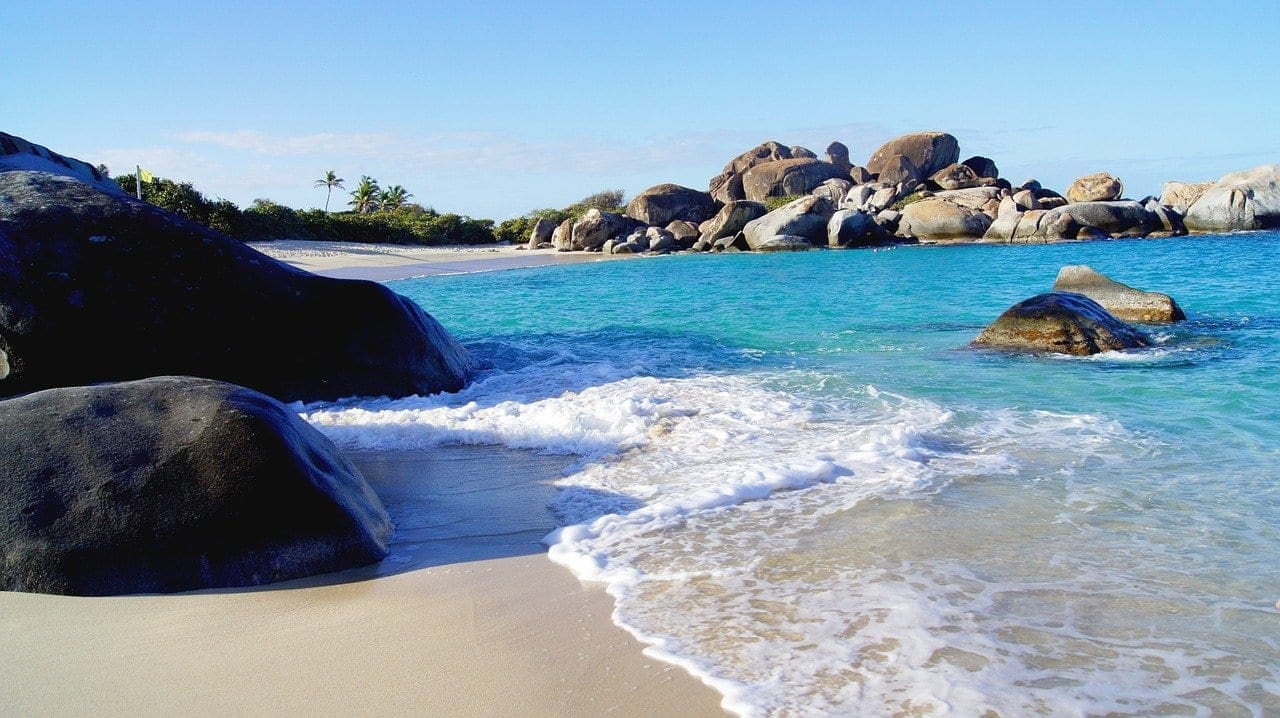
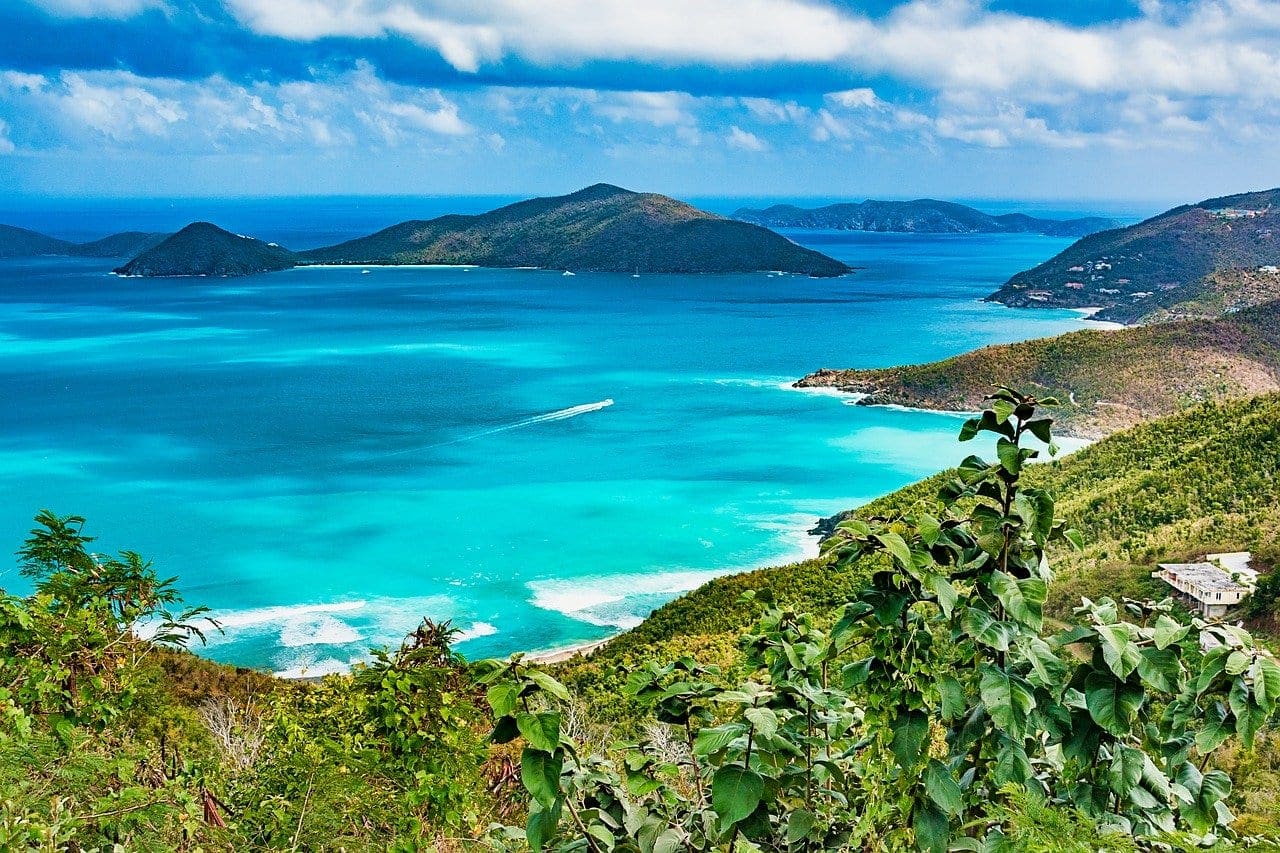
On a BVI yacht rental, there are beautiful white sandy beaches to enjoy, blue waters to swim in, and picturesque islands to explore. The promise of steady trade wind sailing a limited development of restaurants and marinas, plus line-of-sight navigation between the 33 islands, that still make the BVI a true sailor’s favourite; windy, but not too windy, and never far from a rum punch. The BVI has opportunities for excellent sailing, superb weather, and memories which will last a lifetime.
Ultimate Guide To A BVI Yacht Rental
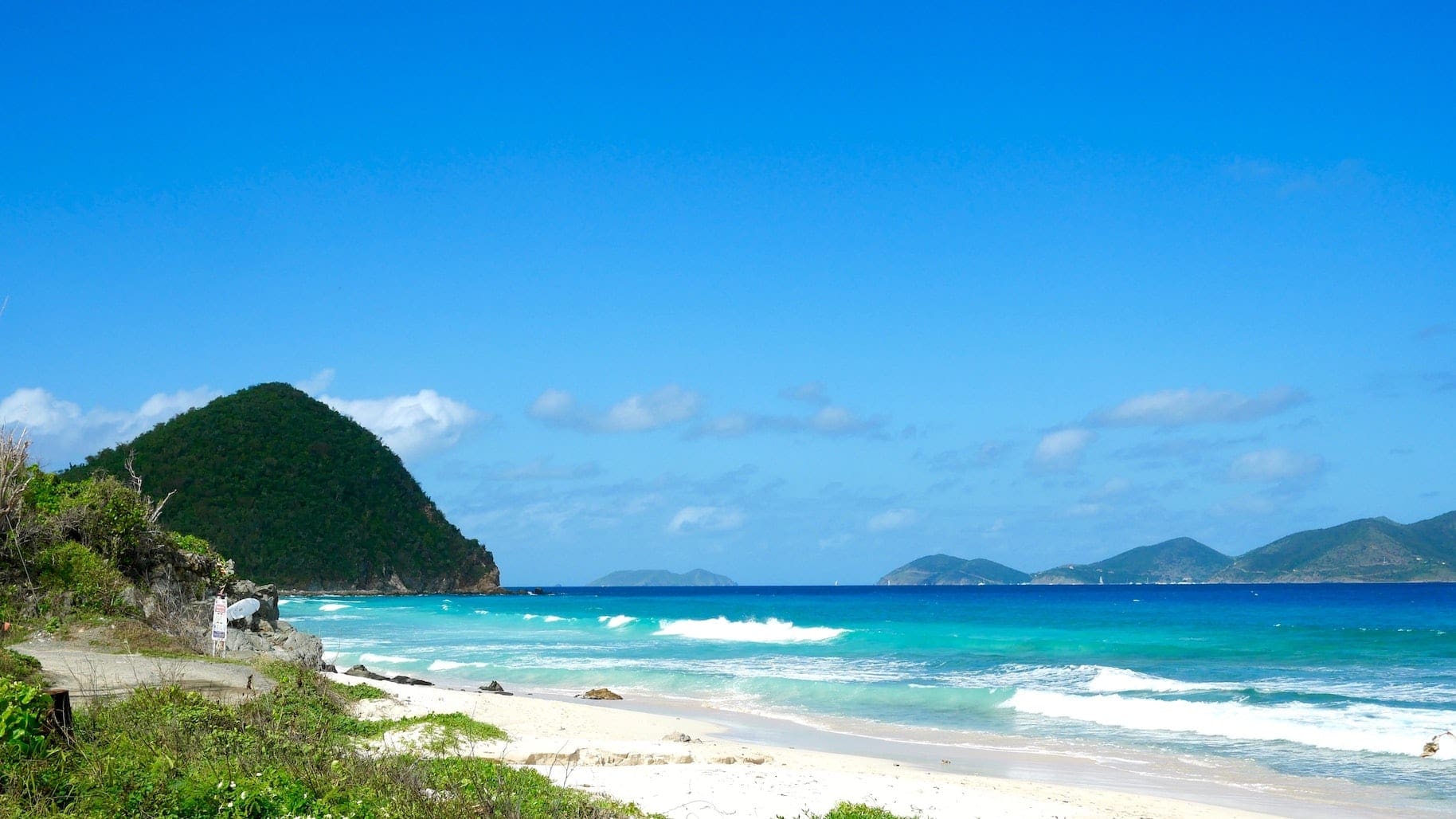
1. BVI Yacht Rental Itineraries
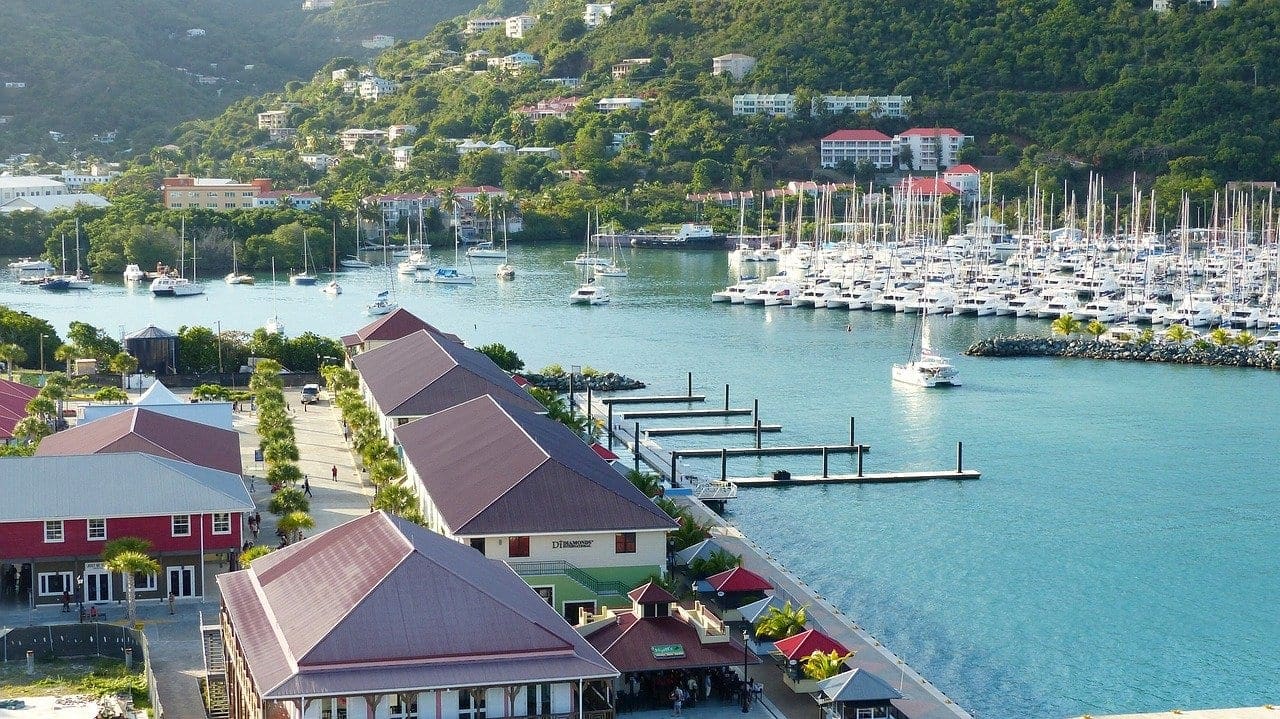
On a BVI yacht rental, you can take whichever route you desire, depending on what you what to see and explore. The BVI has lots of options for itineraries, depending on whether you want to visit islands, villages, or cities.
Each area of the BVI has something unique and wonderful to offer, suitable for all sailing abilities.
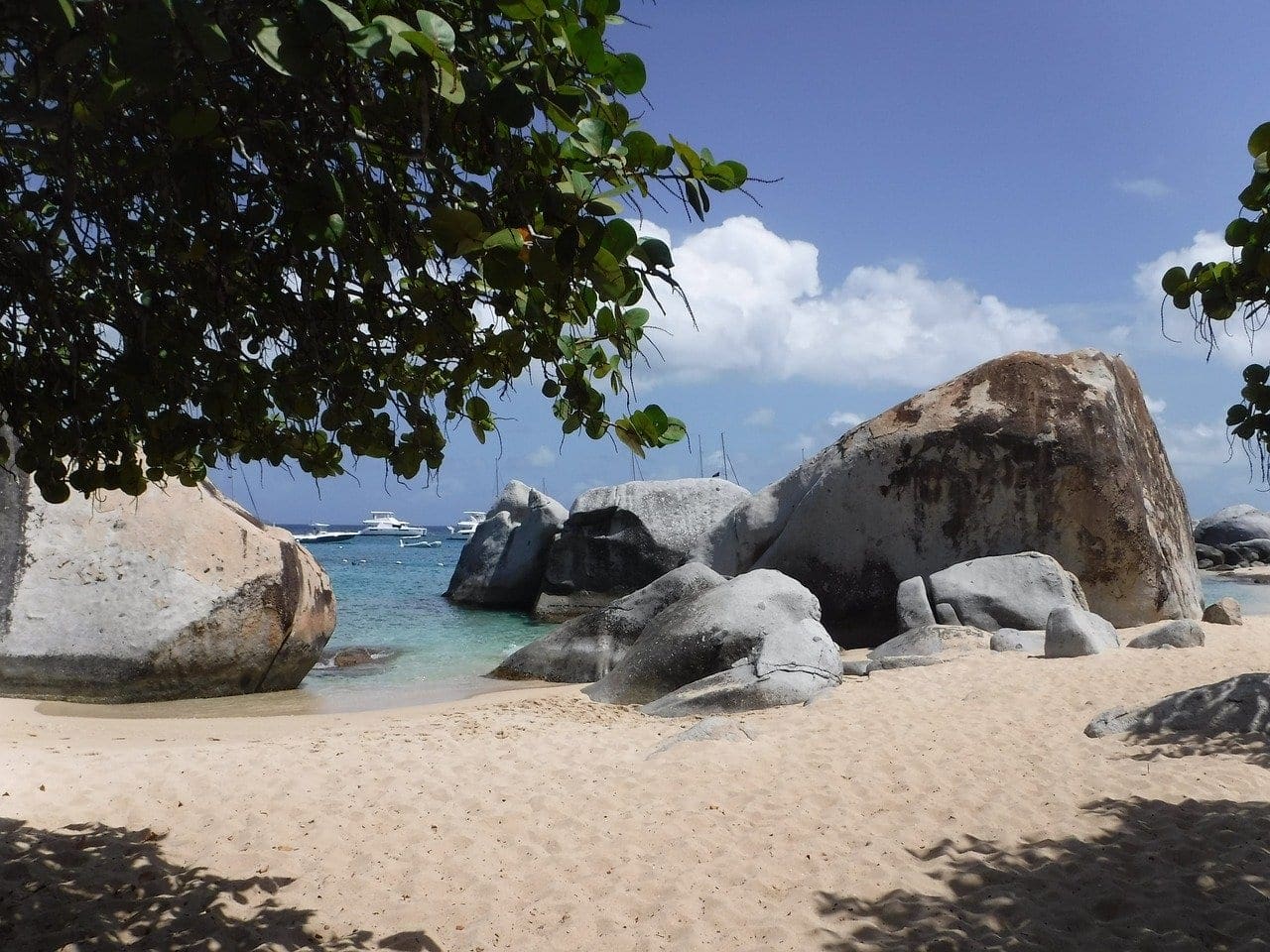
2. Yachts Available
Find Out What Boats Are Available On A BVI Yacht Rental
On a BVI yacht rental, we have a large number of boats available for charter. The BVI is a popular sailing destination, with lots of options, for itineraries and marinas with boats available all over the islands, depending on what itinerary you desire.
- Bareboat Charter. For a BVIyacht rental, you can charter a bareboat yacht to explore the islands and sail on your own if you have the relevant qualifications and experience, check here.
- Skipper Charter. If you have little or no sailing experience you can rent a yacht with a skipper who will take care of everything on the boat including helping you decide on an itinerary, recommend restaurants, and towns to explore.
- Catamaran or Monohull. On BVI yacht rental you can charter either a catamaran or monohull boat depending on the number of people you have on your charter, and how much room you require.
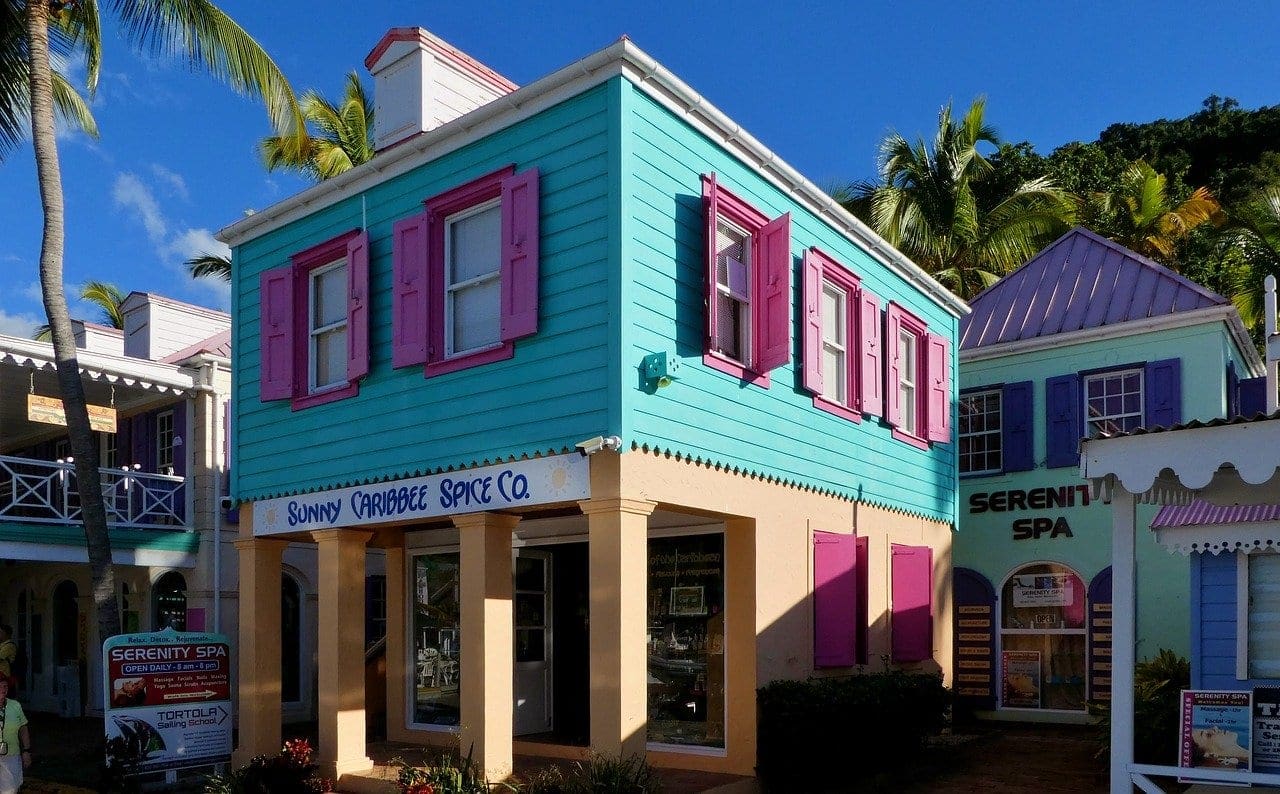
3. Wind Conditions On A BVI Yacht Rental
Steady trade winds and line-of-sight navigation between the islands make a BVI yacht rental great for everyone. The winter months (between November and January) provide a great sailing break with warm weather and a north-east wind at approximately 15 to 20 knots.
The small tidal range (12in/ 30cm) and the sheltered waters mean that even novice sailors can enjoy island hopping from Tortola on a BVI yacht rental, although many more experienced sailors also travel to the islands each year to relax and lazily crisscross the Sir Francis Drake Channel. Passages between the islands can take as little as half an hour and rarely more than three hours.
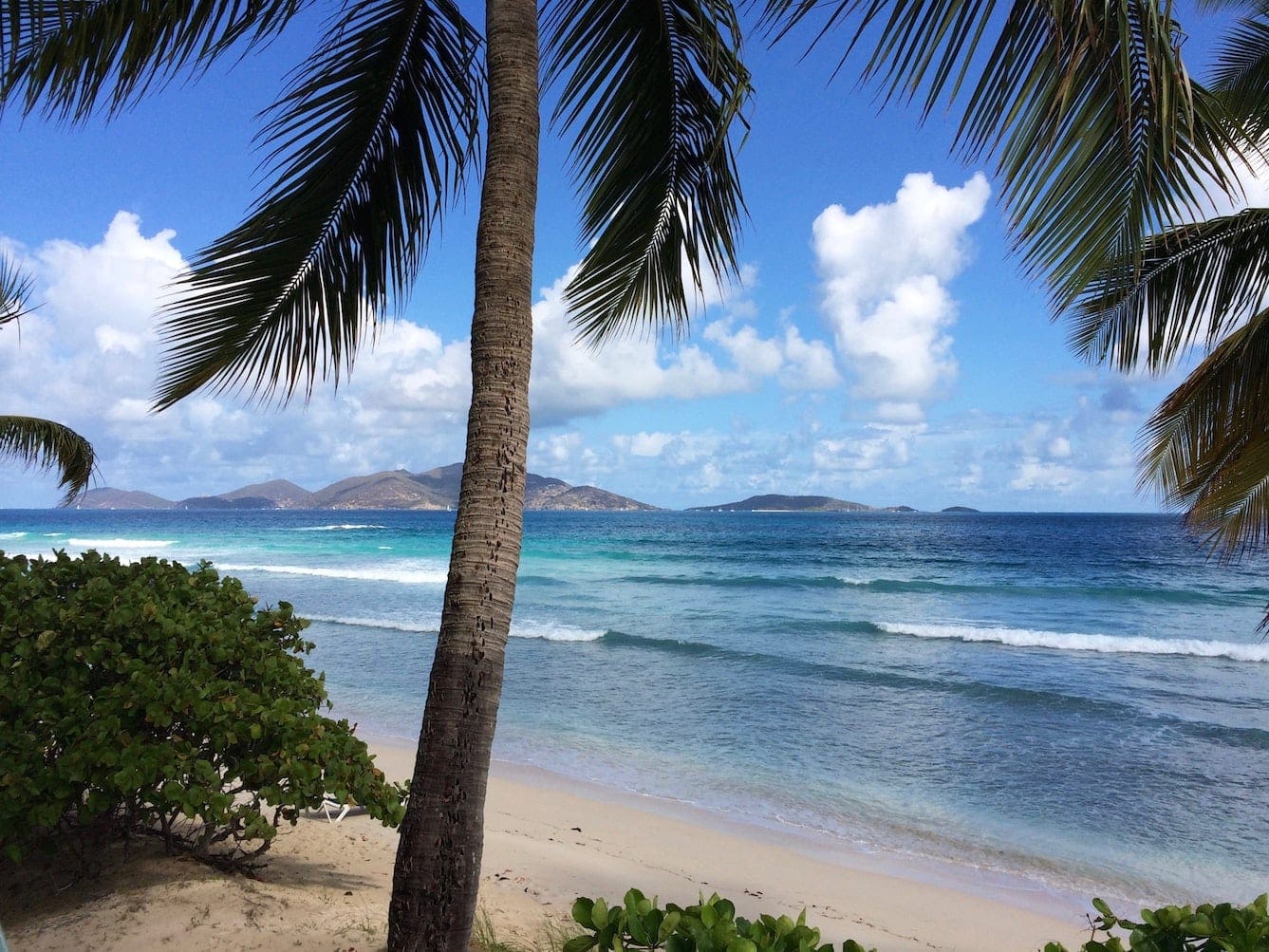
4. Where To Visit
The BVI is filled with wonderful places to visit and places to moor or swim on a BVI yacht rental. Here are some recommendations for the best places to visit on a BVI yacht rental.
- Cooper Island
- Virgin Gorda Island
- Anegada Island
- Trellis Bay
- Great Harbour
- The Bight/Norman Island
- Callwood Distillery
- Cane Garden Bay
- Tortola
5. When To Visit
Any time of year is a great time to go on a BVI yacht rental, depending on the individual’s availability. The high season takes place over the winter months from December to March. Low season is between April and June with fewer crowds and in April they have the famous BVI Spring Regatta.
During hurricane season the risk of a hurricane is very low and this is often the quietest time to take a BVI yacht rental.
6. Best Time To Book
The best time to book one of our BVI yacht rentals is now! We have fully qualified and knowledgable sales advisors who can find your perfect holiday in the BVI and help make your sailing dreams come true.
Our sales advisors can give you recommendations of areas to visit, itineraries, and help with choosing the perfect boat for your trip. Our sales advisors have knowledge of the boats and areas in the BVI, as well as wind conditions and weather at specific times of the year, in addition to up to date information on Covid-19 procedures and protocols.
Christopher Lait
Chris founded Drake Academy, a sailing company that provides leadership training to businesses. Now the CEO of SailChecker.com you will find him handling many of your enquiries as he attempts to drive SailChecker.com forward as the company of choice for yacht charter and sailing by focusing on quality advice and great customer service.