
Everything You Need To Know About Sailing The Bora, Croatia
Find Out Everything You Need To Know About Sailing The Bora In Croatia

Founding Member: International Federation of Yacht Charter Agents

Verified & Protected by Pantaenius Yacht Insurance.
Everything You Need To Know About Sailing The Bora, Croatia
The Bora or Bura is a winds system which blows along the Adriatic Coastline in a north northeast or east northeast direction. The sailing the Bora is when it blows from the land to the sea and gains strength and power as it makes its way down the side of the mountains into the ocean. The wind system brings the dry and cold temperature to the area. It occurs when two divided masses equalize.
The Bora can occur in two forms light and dark. The light Bora typically occurs when the skies are clear and it comes from nowhere. A dark Bora occurs when dark clouds are present on the tops of the mountains and bring rain with it, either option can provide challenges when sailing the Bora.
Sailing The Bora, Croatia
March Bora occurs throughout the month of March, with unstable winds blowing for shorts periods of time. The Croatia people believe that if the Bora occurs three times in March the rest of the summer season will be hot and stable.
Sailing in a strong Bora is only recommended for experienced sailors, as it is unpredictable and can change rapidly. The wind strength of the Bora isn't the biggest problem sailors have it's the changing direction and unpredictability. of the winds. A medium Bora may only be 12 to 16 knots but in a not consistent wind direction.
Everything You Need To Know About Sailing The Bora, Croatia
1. Effects When Sailing The Bora
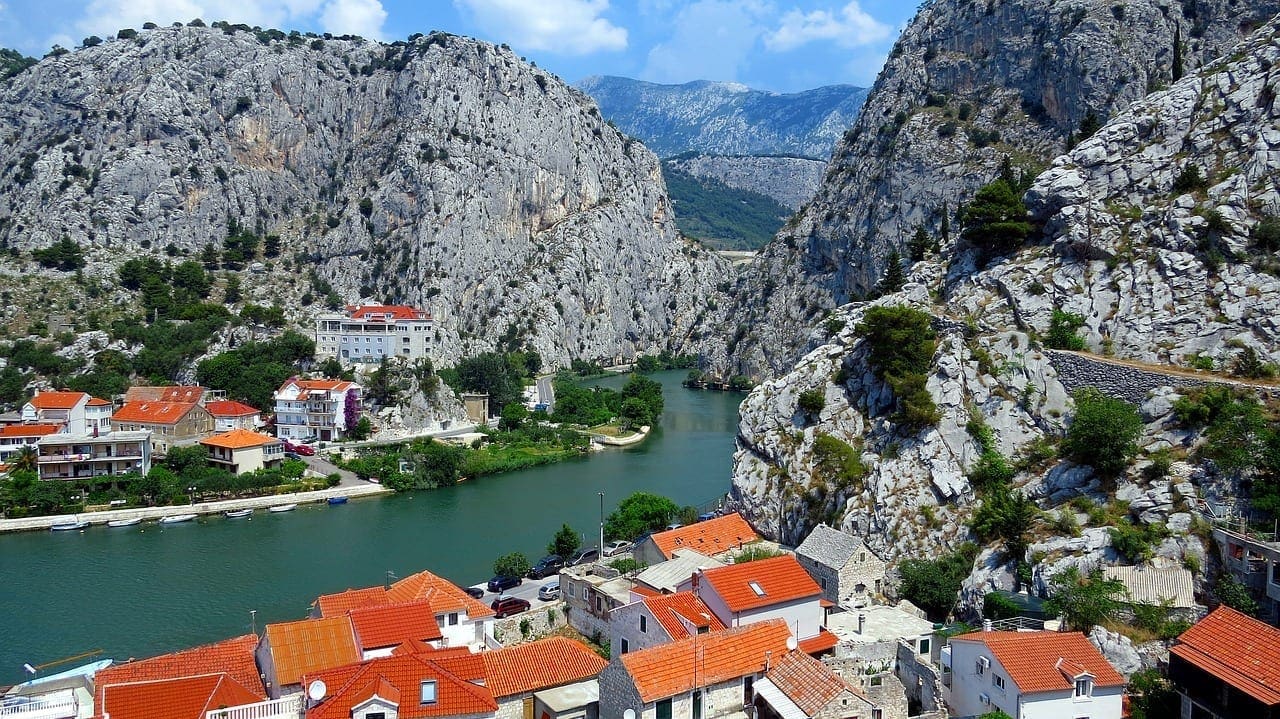
What can I expect from these winds? The Bora is a north to the northeasterly wind which occurs along the 145km of coastline in the Velebit mountain range. It happens most frequently near Senj near Rijeka. This area has a division of weather systems with the continental and Mediterranean climates joining. The Bora is most likely to occur during the winter months but can occur at any time.
Unpredictable. The Bora is most famous and dangerous for being unpredictable and for occurring without notice. Sailing the Bora can be challenging to sail, caution should be made with strong wind gusts and big waves sometimes occurring. The Bora can reach wind speeds of 220km per hour or 136 mph.
2. How To Go Sailing The Bora
Sailing The Bora. While sailing through this wind system seems like a daunting task it doesn't have to be. While it only occurs for a small number of days at a time it can occur without notice, so its good to prepare if you are thinking of sailing in Croatia during the winter months or to be prepared during the summer months as it can occur at any month of the year. Sailing the Bora is exciting and challenging, but brings with it cold dry wind. Caution should be taken due to the short high waves, which can make navigating difficult.
Strengths. Remember the Bora can vary in strengths and not every day is as strong as the last. The Bora can reach speeds of 220km or 136 miles per hour but strongest winds have been recorded at 304km (189mph) during the winter months.
3. Should You Go Sailing In The Bora?
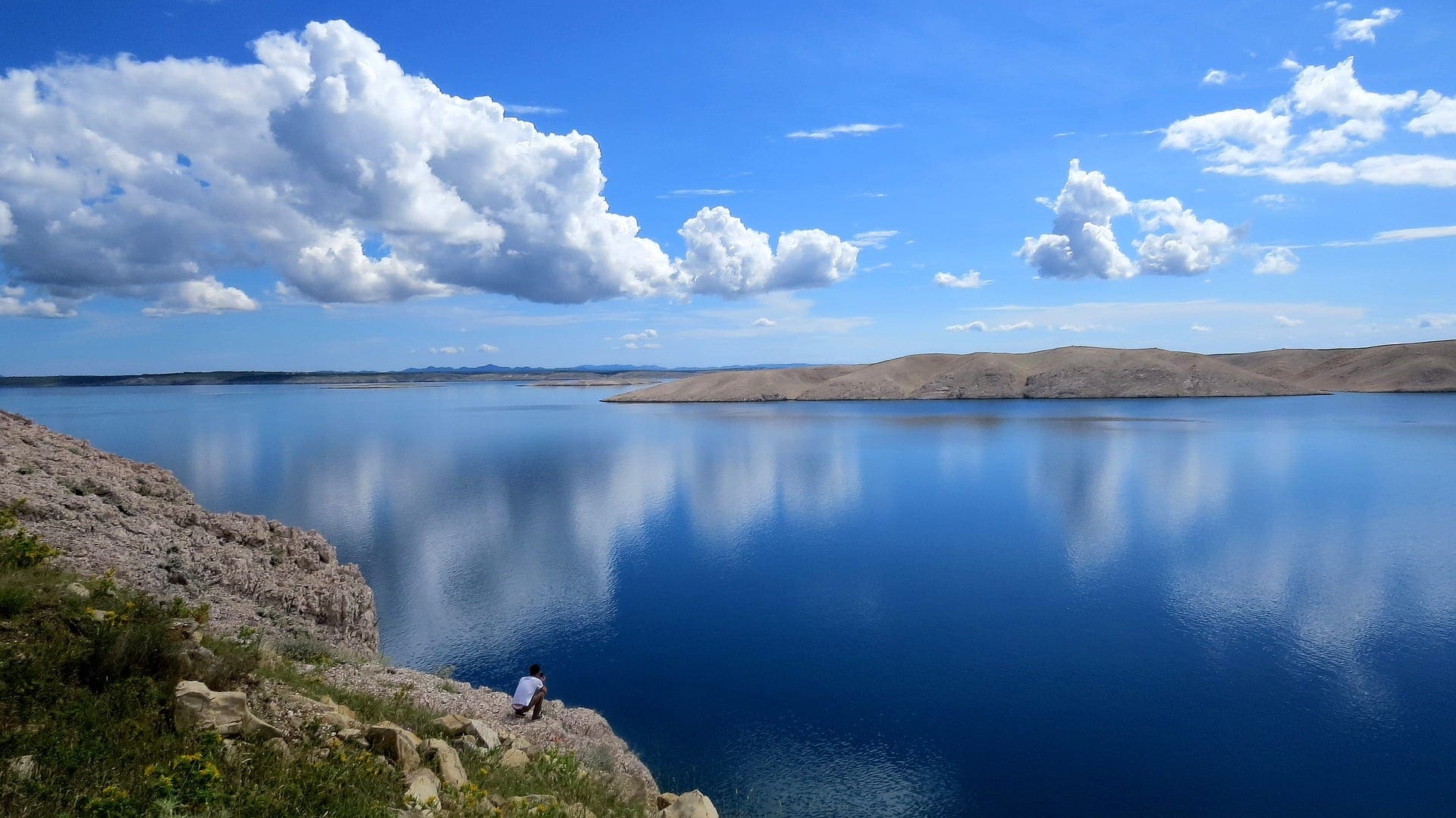
Enjoy The Ride. For many, a wind system like this can be daunting, but it doesn't have to be, it can be a thrilling experience. For those experienced sailors sailing the Bora is similar to sailing the Caribbean trade winds, Meltemi, or the Gulf Stream, then they will enjoy this sailing experience.
Other Options. Croatia is a popular tourist and sailing destination which people want to visit. But there are other ways to sail it without having to worry about sailing in those conditions. Sailing during the summer months can minimize the change of experiencing the Bora as it's not as strong during the winter months. Alternatively taking a skippered charter is a great way to help sailors during these wind conditions.
4. Tips
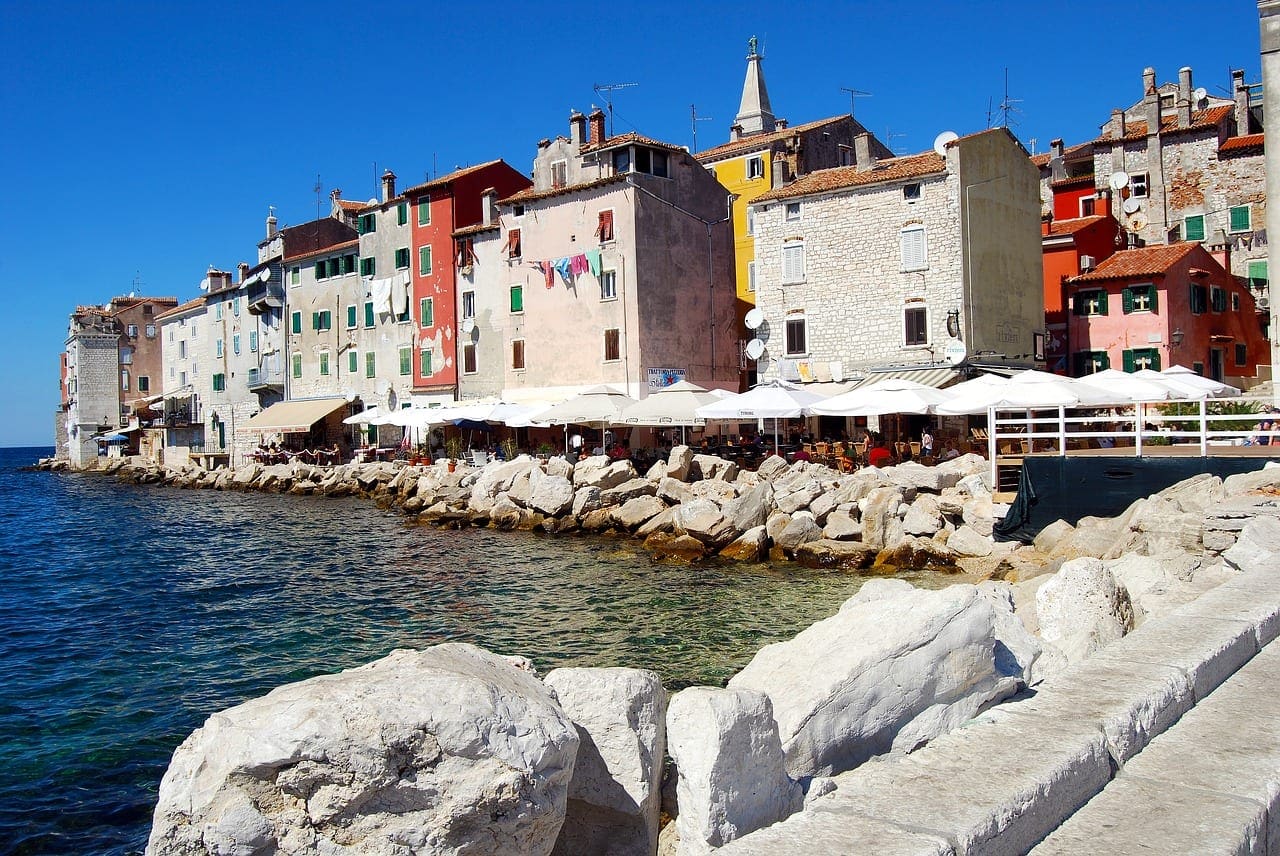
Tips for Sailing the Bora. If you decide to go sailing the Bora make sure you follow these tips and guidelines.
- Don't sail when the Bora is stronger than your capabilities.
- Keep your itinerary flexible, re-evaluate wind conditions and alter route if required.
- A light Bora can provide great sailing conditions but keep an eye on the wind strength.
- Make sure you are prepared with food and provisions for the journey.
5. Sailing Itineraries
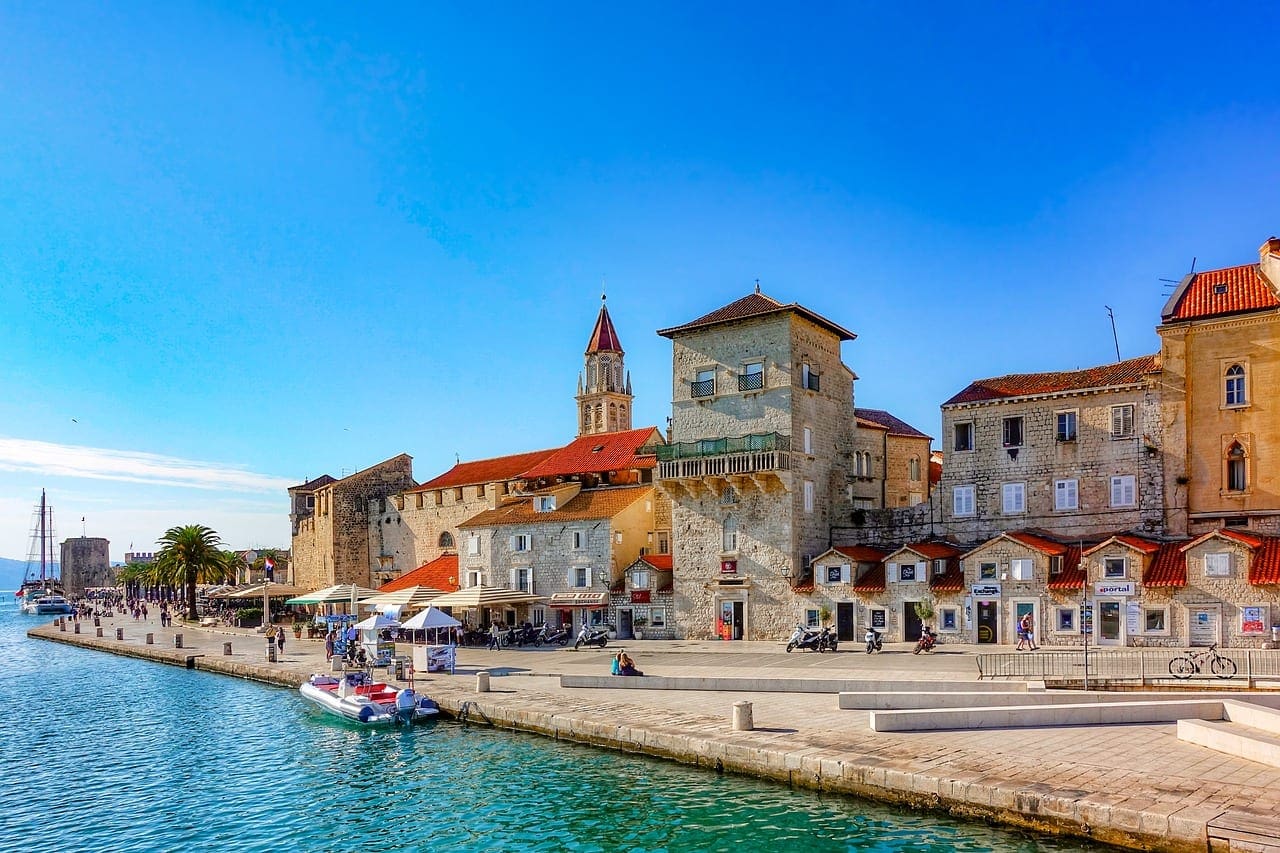
Islands. Croatia is filled with beautiful islands to discover. We have created some great itineraries for sailing in Croatia.
Split Sailing Itinerary, The North Dalmatian Coast
Everything You Need To Know About Sailing The Bora, Croatia
Got A Burning Question About Sailing The Bora, Croatia?

Christopher Lait
Chris founded Drake Academy, a sailing company that provides leadership training to businesses. Now the CEO of SailChecker.com you will find him handling many of your enquiries as he attempts to drive SailChecker.com forward as the company of choice for yacht charter and sailing by focusing on quality advice and great customer service.