

Founding Member: International Federation of Yacht Charter Agents

Verified & Protected by Pantaenius Yacht Insurance.
Definitive Guide To The Transit Log
The Key Transit Logs Facts
From The History Of Transit Logs To What It Means Today
What does Transit Log Mean today? Yacht Charter is a pretty normally a pretty straightforward affair, however, when you hit unfamiliar terminology, it can be a little disconcerting. Add that some words and phrases mean different things in different places and it's even more of a challenge.
One item unfamiliar to many on their invoice is the transit log. It's almost never included and if you don't know what it's about, it will quickly have you asking, what is a transit log.
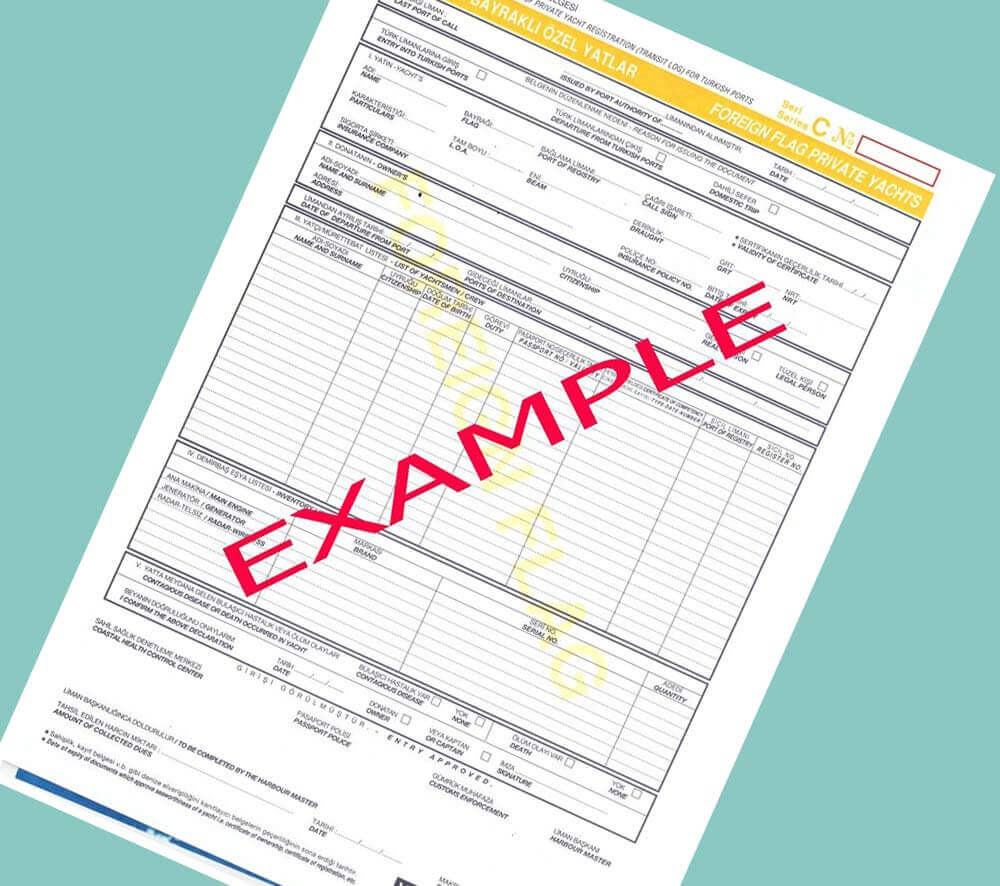
What is the Definition of a Transit Log. Technically speaking the definition a transit log is formal paperwork that that is presented to port, immigration or customs officials and describes your intended journey, crew list, and so on. It acts as the boats permit and proof of registration when chartering.
Sailing is unpredictable, and port staff are aware of this. Ultimately something that is flexible and you will typically not be held to your chosen route, (so long as it does not change dramatically).
If you say you are going one way, then go another, expect some sticky questions if you are ever stopped.
So What is a Transit Log. You will find a Transit Log issued when there is the possibility to enter foreign waters. It's a port authority form that covers immigrations, customs and a check of the ships papers.
The most popular place for the issue of a transit log is in Turkey, where customers want the option to sail into Greece. With the close proximity of some amazing Greek Islands to Turkey, it comes as no surprise that most want to visit both countries.
Many countries have now dispensed with transit logs, yet the phrase is still common and has grown in meaning over time.
What's Included In Transit Log
The Cost Of A Transit Log And What's Included
Charter Fleet Operators. With some frustration, operators treat transit logs differently. for some it's just the documentation and the pass on the cost of the local port authorities cost to you. Other Charter Fleet operators use the term transit log to mean all their included extras.
Costs of a Transit Log. Costs can range from 120 to 600 Eurs or more, often dependent on the number of passengers, boat size or cabins.
What's Included in a Transit Log. Here is a lis of what you might find included and a very approximate cost (in Eurs) if its not:
- Final cleaning, 150 - 500
- Bed Sheets, 5 - 15 ea. person
- 2 Towels, 5 ea. person
- Starter package (toilet paper, washing up liquid, matches, maybe some local wine), 30
- Diving service upon check out, 50 - 100
- Outboard engine - 100 - 150
- Wifi, 25, 10gb
At the End of the Charter. At check-out you will need to return your transit log to the fleet operator. The Harbour Authorities will issue a new one for each charter.
... an official document issued chiefly in Turkey for travel to Greece; often a mandatory extra on your bareboat charter.
- Mandatory for Foreign Flags
- Crew List
- Passport Numbers
- Customs Clearance
- Insurance Details
- Key Yacht Data
Transit Log
Need A Question Answering?
SailChecker - Always Happy To Help
Our Reviews Contain More Words & Descriptive Words Than Our Competitors
Top Yacht Charter Destinations
Yacht Charter - Your Passport To Unrivalled Riches
Croatia
Yacht Chart in Croatia, the World's #1 Sailing Destination. The jewel of the Adriatic, with more than 12,000 island that dot the Dalmatian coasts. Create the most wonderful sailing memories.

GREECE
Absorb the sense of something greater in Greece's Ancient history. Cruise breathtaking beaches, meet with friendly locals; a yacht charter in Greece will leave you with sailing memories you'll never forget.
Thailand
Yacht Charter in Thailand and the Far East mix wonderful fascinating exotic culture with unique and stunning natural coastal beauty.

Turkey
Charter a Yacht in Turkey and enjoy its fascinating blend of natural unspoilt coastline, friendly welcoming people, and stunning cuisine.
Italy
Yacht Chart in Italy and enjoy the magical blend of nature and history makes Italy one of the most extraordinary sailing destinations in the Mediterranean.
Caribbean
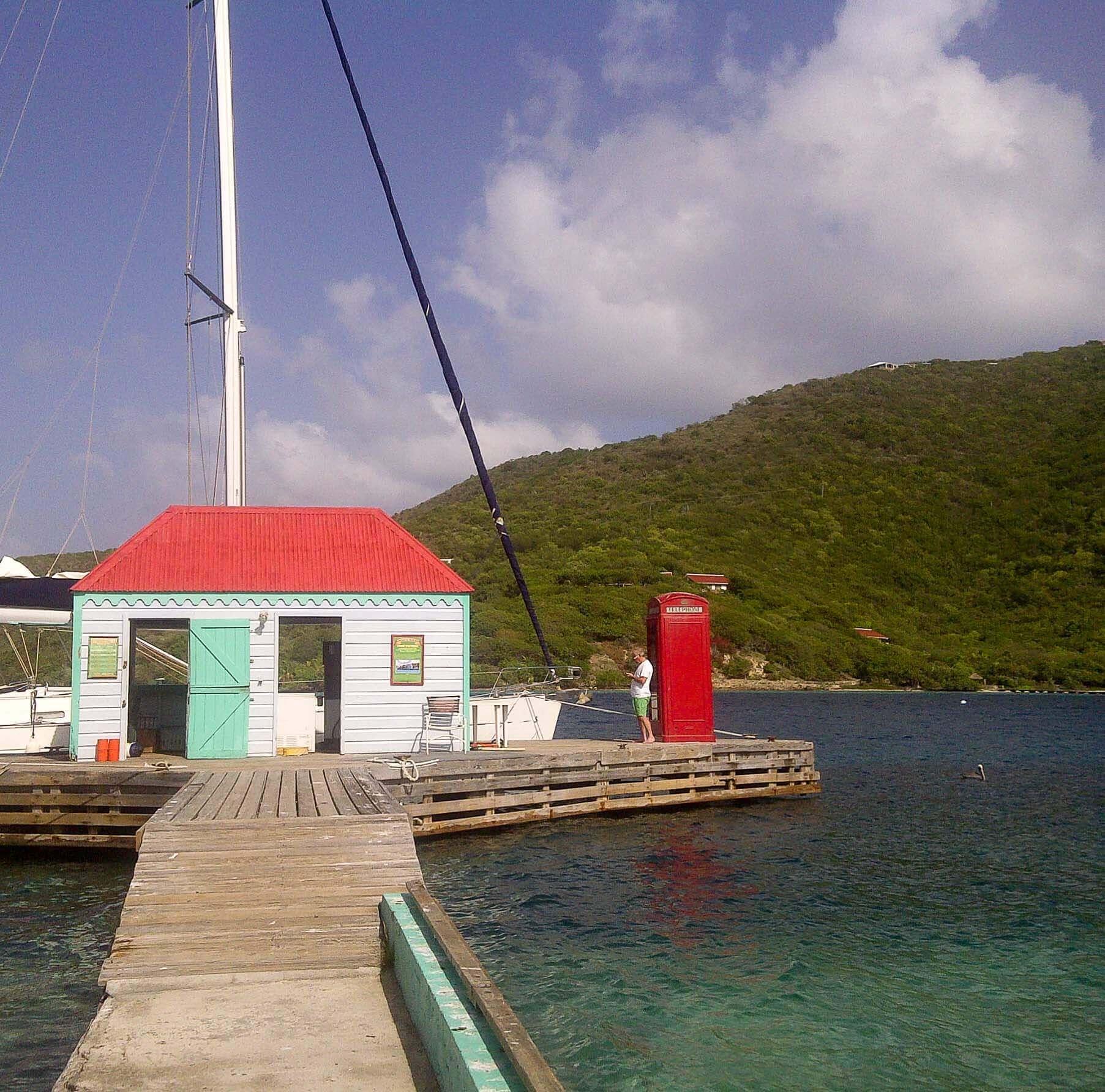
Yacht Chart in the Caribbean where you can immerse yourself in the laid back culture and enjoy the crystal clear waters of the Caribbean, palm tree fringed and tin shack bars await.
Our Global Partners
Working With The Worlds Leading Operators & Financial Institutions
Luxury Travel
SailChecker regularly appears in articles across global travel and sailing media.
We are proud contributors to sailing media outlets worldwide.
Y & Y Awards
We work with global media to improve awareness, share best practice, and promote yacht charter & sailing.
Proud regular sponsors of The Yacht & Yachting Awards.
Charter Insurance
We partner with a number of global insurance providers to offer solutions to our customers.
We partner for skipper, security deposit, and other charter insurance products.
Top 100 Companies
SailChecker are Proud to be selected as one of the top 100 Companies in the UK.
Selected for the NatWest Bank Next Level Accelerator Programme for Growth Businesses.
Yacht Charter Itineraries
All Our Magical Destinations Bought To Life
BVI Sailing Itineraries
Turkey Sailing Itineraries
Italy Sailing Itineraries
Spain Sailing Itineraries
SailChecker Challenges You!
Do You Really Know When To Tack?

Still Have Questions?
Got A What Is A Transit Log Question?
Give us a Call or Send us an Email. We're here to Help.

Christopher Lait
Chris founded Drake Academy, a sailing company that provides leadership training to businesses. Now the CEO of SailChecker.com you will find him handling many of your enquiries as he attempts to drive SailChecker.com forward as the company of choice for yacht charter and sailing by focusing on quality advice and great customer service.