

Dubrovnik Sailing Itinerary
Discover "The Pearl Of The Adriatic"
Dubrovnik Sailing Itinerary
With the Dubrovnik Sailing Itinerary travelers can experience the magic of Dubrovnik, known as "the Pearl of the Adriatic."
The charming limestone streets of the historic old town and the exquisite baroque architecture, set against the deep blue of the Adriatic Sea, will create a unique backdrop for a trip of a lifetime.
Our Guide To The Dubrovnik Sailing Itinerary
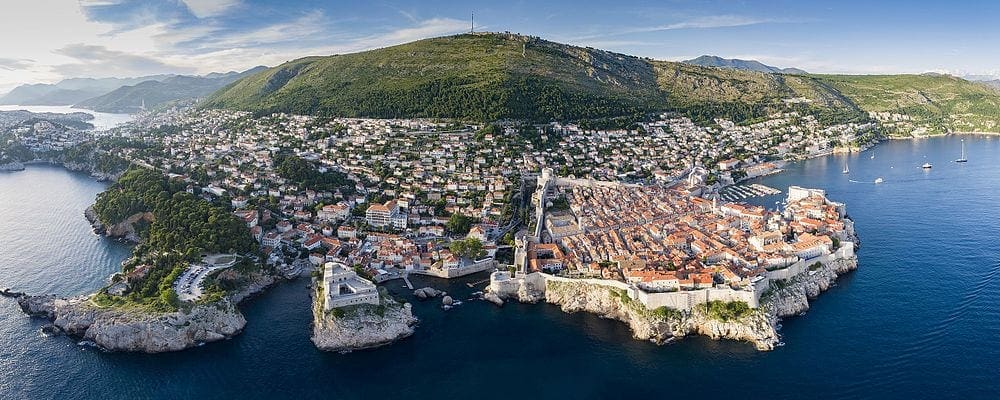
In 1979, Dubrovnik was appointed an UNESCO World Heritage Site. A city rich with history, Dubrovnik has always had ties to the sea. Built on maritime trade, it grew to be one of Europe’s most important seaports, even rivaling Venice at one point. The sea’s important legacy shines through in the many aspects of Dubrovnik’s culture. With stunning architecture, an enchanting pedestrian old town, and majestic ocean views, Dubrovnik definitely has a unique feel.
In addition to its own beautiful beaches, Dubrovnik serves as a great starting point for your sailing charter. Set on the southern side of the Adriatic Coast, Dubrovnik offer access to many other small islands and beautiful coastal points. You’ll see forested national park grounds, quaint Mediterranean fishing villages and fishing grounds, and Gothic, Renaissance, and Baroque period buildings.
- Getting There
The best way to get to Dubrovnik is by flying to the Dubrovnik Airport, which is about 20 km south of the city. During the summer, in peak season, there are many flights direct from the UK , USA and Australia. If you are unable to fly into Dubrovnik directly, traveling through Zagreb is an easy option. From Zagreb, there are daily connecting flights to Dubrovnik. Another option would be to fly into Montenegro, which is about a 3-hour bus ride to Dubrovnik. To learn more about the best ways to reach Dubrovnik, click here.
- Weather
The best sailing weather in Dubrovnik is during the peak season of April to August, with the average high in April being 17°C, and an average high in August of 28°C. For swimming, August is also the best and water temperatures will reach 25°C. However, September is considered the sweet spot, if you want to avoid the crowds, but still, soak up the sun.
- Mooring
For Dubrovnik and Korčula the best option is ACI. As the largest marina, it has excellent infrastructure and amenities. Daily mooring prices vary by berth and time of the week. You can book ahead and see price lists on the ACI website.
For the many other locations, mooring options are more limited.
Small local harbours, or restaurants, sometimes open moorings in the peak season, charging €2 to €5, per meter. However, these moorings are not as abundant and often fill up quickly. So it is important to get in the harbour early in the afternoon, especially for larger vessels. You can check for berths online.
If you’re up for it, there are various coves, bays and anchorages where you can just free swing, with no charge, and use your dinghy to get ashore.
1. “Those Who Seek Paradise On Earth Should Come To Dubrovnik.”
- George Bernard Shaw, Playwright.
Day by day
- Day 1
Day 1
Dubrovnik / Kobas, 12 NM
Dubrovnik
Starting the week off in Dubrovnik, you’ll need to check-in, get your boat stocked and loaded, and make sure you have everything you need. While in Dubrovnik, you should visit the market in old town, where you can find fresh produce, fish, olives, honey, Mediterranean spices, and loza and travarica, strong flavored homemade brandy, unique to Dubrovnik. Also, take some time to explore the walls that surround the city. Constructed between the 12th and 17th centuries, these walls have faithfully protected Dubrovnik. Strolling the walls gives visitors breathtaking views of the Adriatic sea, while overlooking the city’s red tiled roofs.
Recommended Restaurants and Activities:
Nautika Restaurant, Brsalje ul. 3, 20000, Dubrovnik.
D’Vino Wine Bar, Palmotićeva ul. 4A, 20000, Dubrovnik.
Kobaš Bay
Known for it’s delicious cuisine, Kobaš Bay epitomizes healthy Mediterranean diet. Feast on traditional grilled and roasted fish, fresh from the sea and paired with vegetables and wines. During your stop on the Elaphiti Islands, explore one of Croatia’s authentic fishing villages, hidden in Kobaš Bay.
Recommended Restaurants and Activities:
Luka’s Taverna, Kobaš Village, Peljesac, Croatia.
Gastro Mare Restaurant, Kobaš, Ston, Croatia.
- Day 2
Day 2
Kobas / Sobra (Mljet), 20 NM
Sobra
The port of Sobra, on the east end of the Island Mljet, is another quiet fishing village. Sobra is ideal for peaceful relaxation. While there are no large beaches, you can swim off the rocks. There are a few local restaurants in the town, but the magic of Mljet is in its wild, untouched natural beauty. Two thirds of the island is a National Park, making this stop perfect for hiking, kayaking and swimming.
Recommended Restaurants and Activities:
Mljet National Park, Pristanište 2, Mljet, Croatia.
- Day 3
Day 3
Sobra / Korcula, 24 NM
Korčula
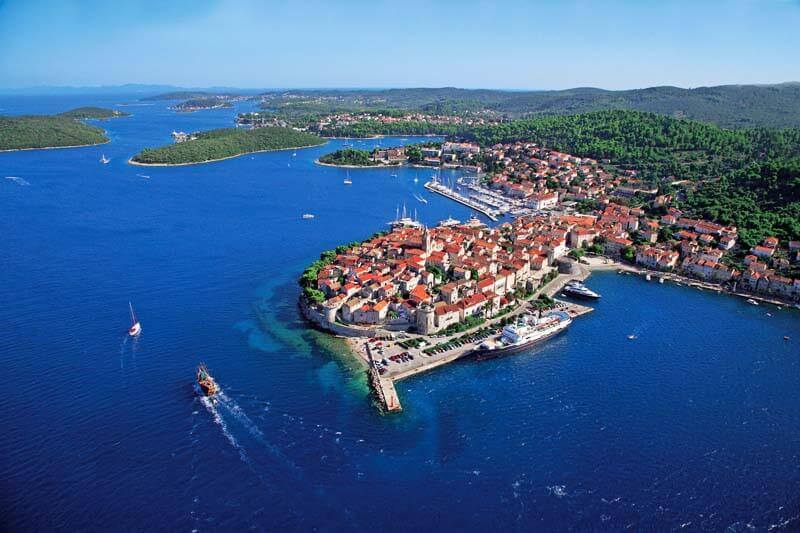
Built on the foundation of an ancient Greek colony, Korčula is filled with history. Here you can see Gothic and Renaissance buildings, including the Cathedral of Saint Mark. Additionally, Korčula is the birthplace of Marco Polo and you can visit the house where he supposedly lived.
Recommended Restaurants and Activities:
Town Museum, Trg Sv. Marka, 20260, Korčula, Croatia.
Kanavelić Restaurant, Don Jakova Salecica 62, Old Town Korcula, Croatia
- Day 4
Day 4
Korcula / Zaklopatica (Lastovo), 23NM
Zaklopatica
Located on the Island of Lastovo, Zaklopatica is a beautiful wooded bay on the north side of the island. In 2006, Lastovo was declared a nature park, as 70% of the island is covered by dense forest. With only three restaurants and a handful of houses, the island is relatively uninhabited. This makes it the ideal spot for divers to explore the crystal clear waters.
Recommended Restaurants and Activities:
Diving Center Ankora, Zaklopatica 46, Lastovo, Croatia.
Augusta Insula Restaurant, Zaklopatica 21, 20290, Zaklopatica, Croatia.
6. Dubrovnik Sailing Itinerary
Dubrovnik Is A Protected UNESCO World Heritage Site
Day by day
- Day 5
Day 5
Zaklopatica / Polace (Mljet), 23 NM
Polace
Day 5 of the Dubrovnik Sailing Itinerary brings you back to Mljet Island, this time to the northern coast of the island. Polače means “palace” and it’s name is derived from the Roman ruins that exist on Mljet. Supposedly built in the 5th century, the ruins face the water and exhibit two towers. While exploring Polace you can also find villages housed and ruins from an early-Christian church.
Polace is yet another beautiful spot on the island of Mljet. It is the island’s largest bay, and the safest, as it is sheltered by four smaller islands. Polace, as one of two entrance points to the National Park, is bordered by dense forestation. Two thirds of the island is a National Park, making this stop perfect for hiking, kayaking and swimming.
Recommended Restaurants and Activities:
Mljet National Park, Pristanište 2, Mljet, Croatia.
- Day 6
Day 6
Polace / Sipan, 12 NM
Sipan
The last stop on the Dubrovnik Sailing Itinerary is Sipan. As the largest of the Elafiti Islands, Sipan has many things to do or see. You can hike to the highest point, Velki Vrh, which goes up 243 meters, or you can explore the two villages of the island, Suđurađ and Šipanska Luka.
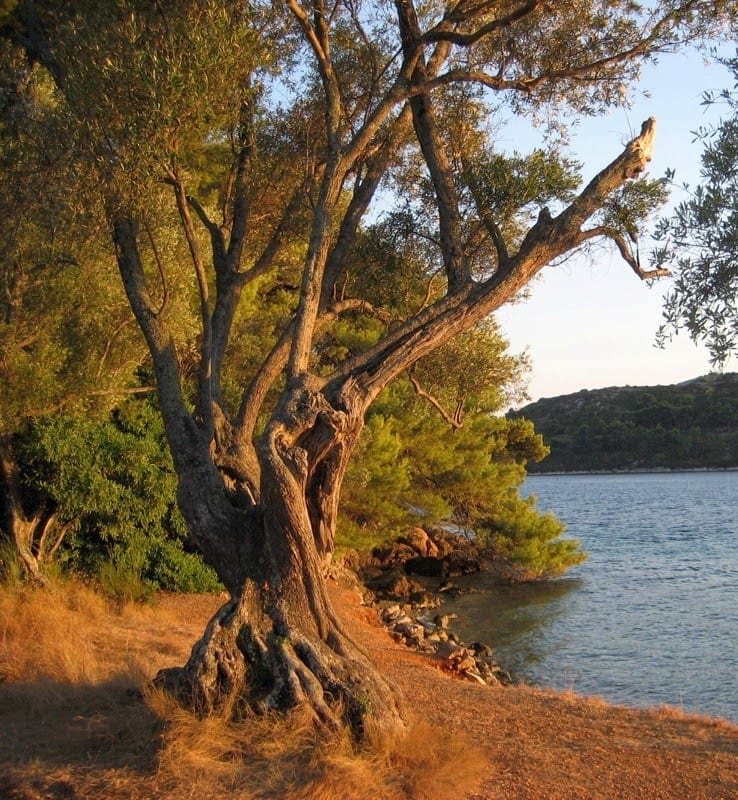
Also with a beautiful valley, rich with olive and fig trees, Sipan has become renowned for its wine. Enjoy the relaxed ambiance with an opulent historical setting. As many wealthy Dubrovnik families summered on the island, there are a smattering of exquisite manors populating the island’s landscape.
Recommended Restaurants and Activities:
BOWA Restaurant, Pakljena 3, Suđurađ, Sipan, Croatia.
Family Farm Bender, Miho Bender’s Olive Plantation, Šipan, Općina Dubrovnik, Croatia
- Day 7
Day 7
Sipan / Dubrovnik, 18 NM
Dubrovnik
On the last day there is time to swim, sunbathe, or sail around to see any coves and spots on Sipan that you do not want to miss. Now you’ve completed the Dubrovnik Sailing Itinerary, and you must bring your charter back to Dubrovnik to check out.
9. Indicative Yachts And Prices For The Dubrovnik Sailing Itinerary
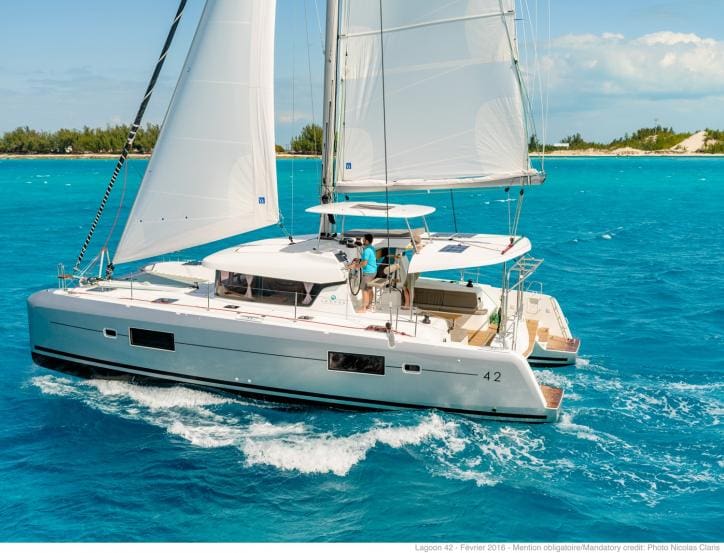
Lagoon 42 - Prices From 1,995 €
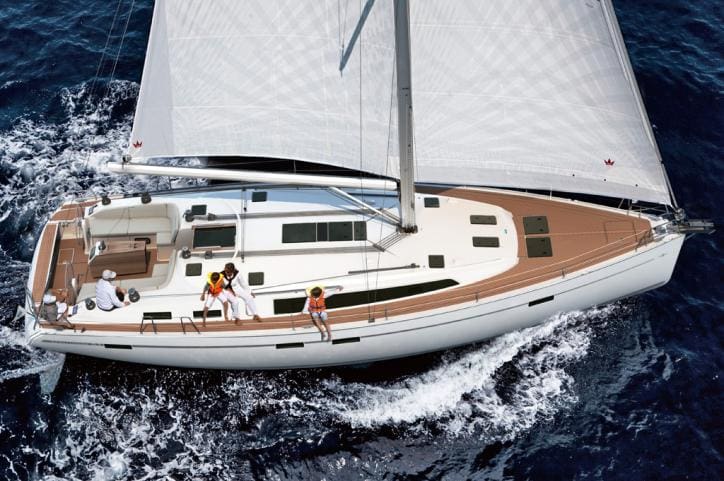
Bavaria Cruiser 51 - Prices From 2,324€
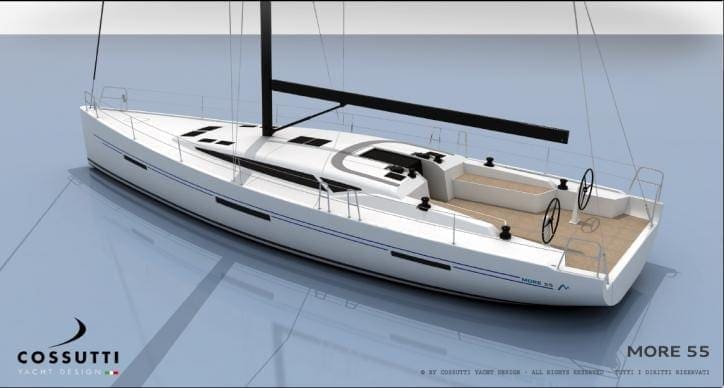
More 55 -Prices from 4,085 €
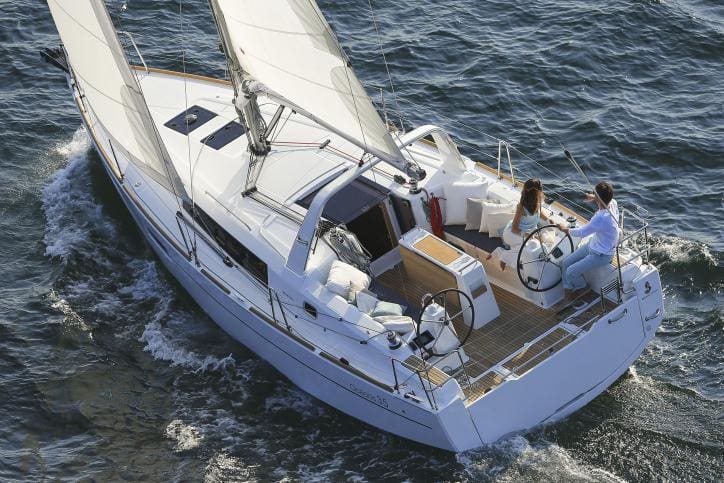
Oceanis 35 - Prices From 1,121 €
Still Have Questions?
Other Croatia routes
 Croatia
 Split — South Dalmatian Route
Hvar, Vis, Korčula, and the most-photographed islands in the Mediterranean. The classic week-long route.
 Croatia
 Split — North Dalmatian Route
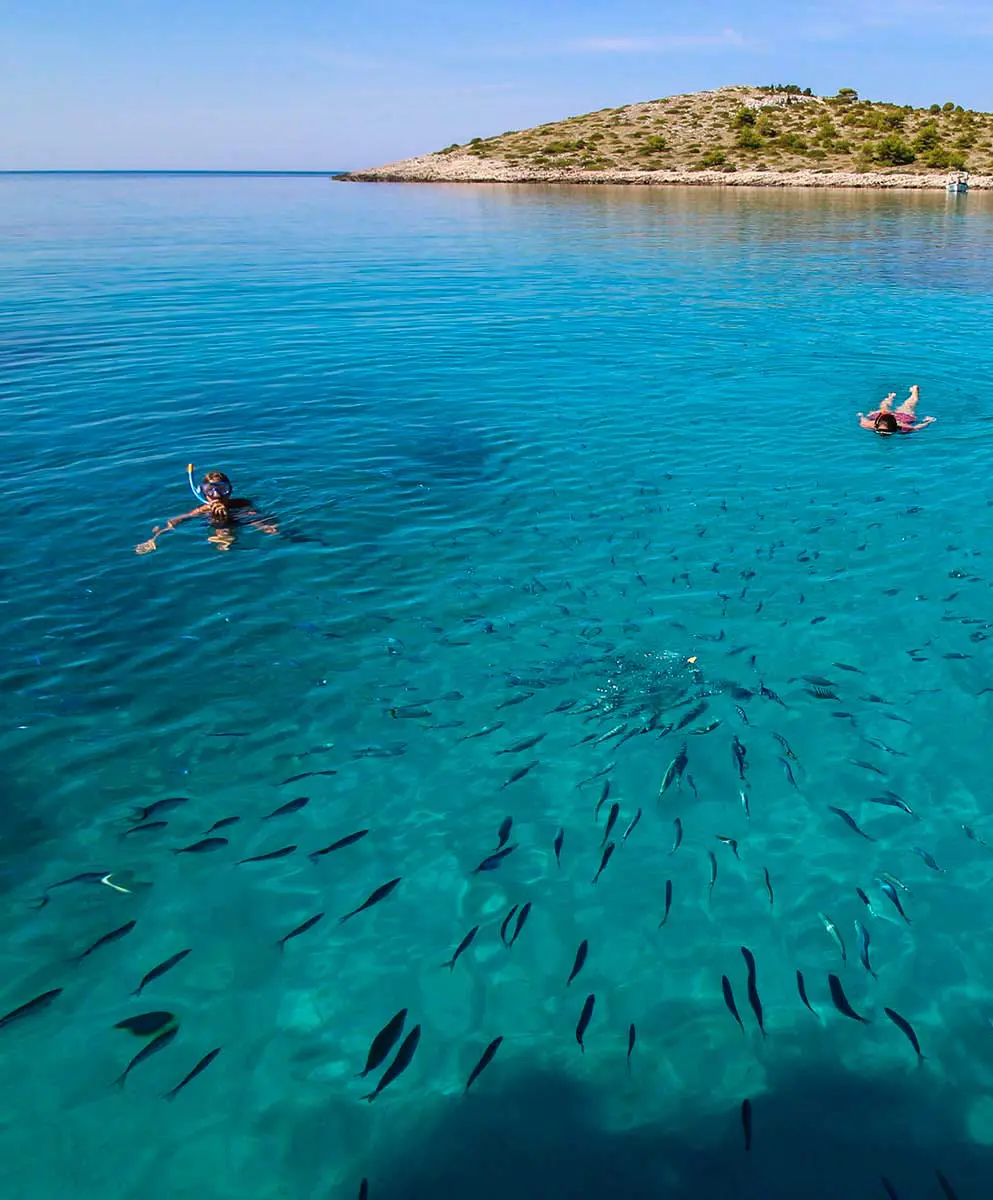
Kornati National Park, the quieter sister to the south — 89 uninhabited islets and the sailing of crystal lagoons.
 Croatia
 Zadar
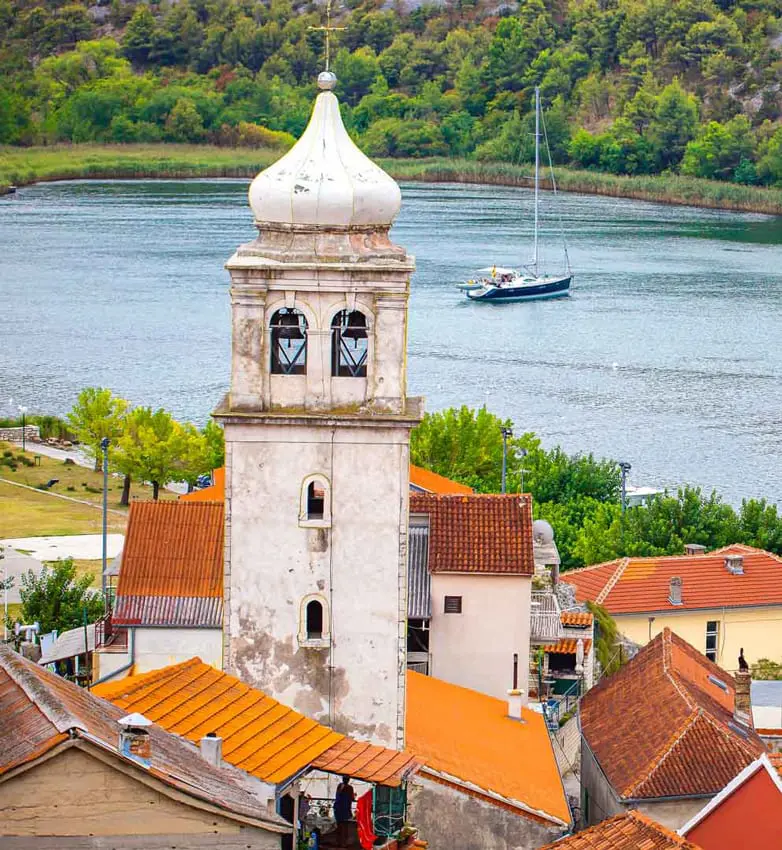
Where the Kornati archipelago meets historic Roman ports and the world's first sea organ.
 Croatia
 Northern Adriatic
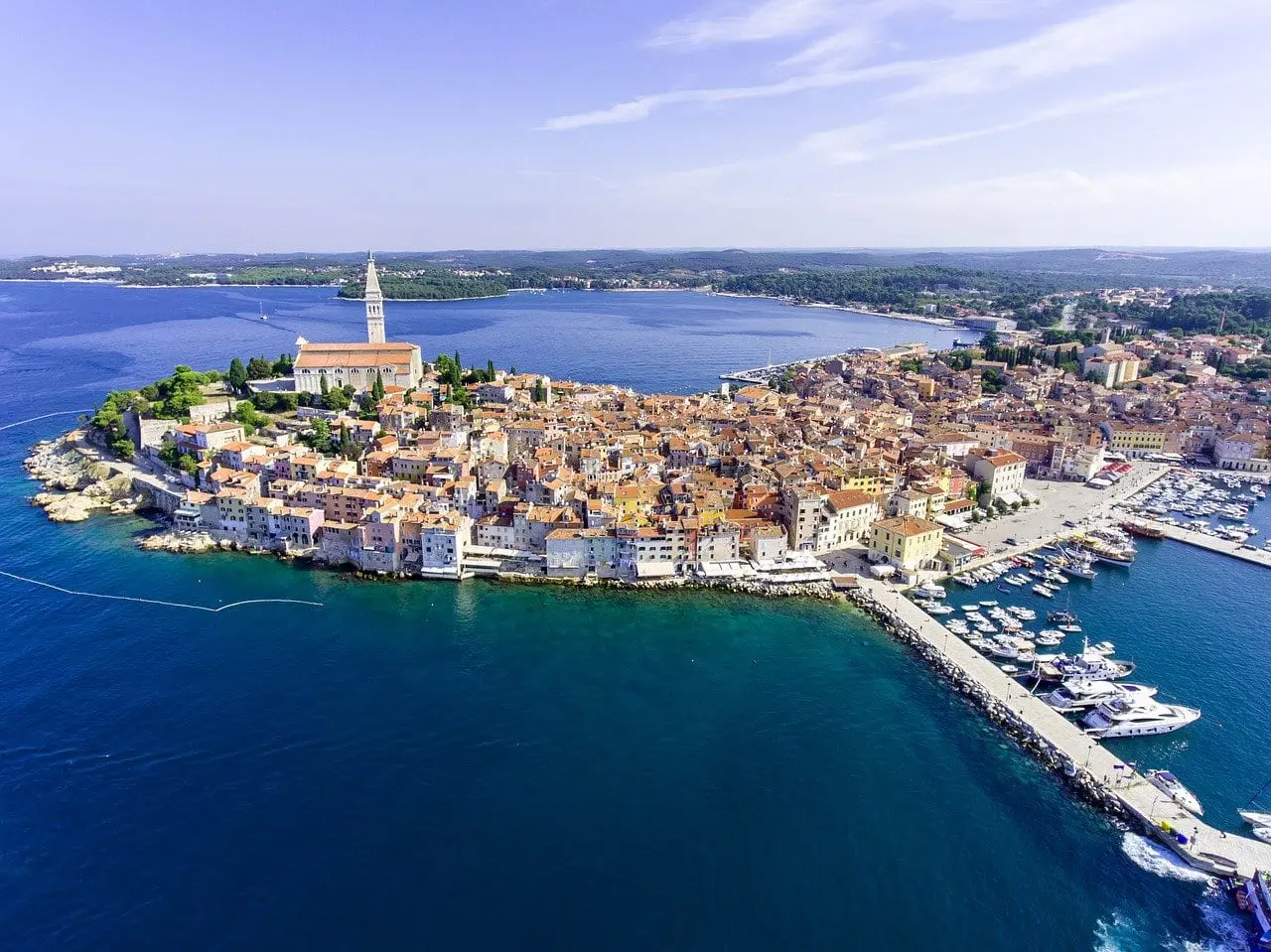
Istrian peninsula, Pula's Roman arena, truffle hunting in Motovun, and Venetian fishing villages.
Ready to book your Dubrovnik Sailing Itinerary?
Independent, award-winning yacht charter advice since 2011. We'll match the perfect boat and crew to your Croatia sailing dates — every quote tailored, every detail handled.
Founding member IFCYA · Independent advisory since 2011