
Top 5 Tips When Provisioning A Yacht
Learn All About Everything You Need For A Great Yacht Charter

Founding Member: International Federation of Yacht Charter Agents

Verified & Protected by Pantaenius Yacht Insurance.
Download a ready-made list to speed up your prep.
Understand how provisioning fits into your budget.
Charter Payment Protection
Insolvency Protection
Safe Payment
Muti-Currency. Lossless Forex
Low Price Guarantee
Exclusive Deals No Hidden Fees
Top 5 Tips When Provisioning A Yacht
You’ve booked your flights and yacht charter, and the countdown has begun, now it’s time to think about provisioning your yacht and getting everything organised onboard.
It might feel overwhelming at first, but it doesn’t have to be. This practical guide breaks down the steps so you can provision with confidence, from smart shopping to thoughtful storage and planning for your first few days at sea.
There are two common approaches: either order everything in advance for delivery to your yacht, or shop on arrival at a nearby supermarket. Both have their perks, and we’ll show you how to get the most from each. For more planning help, check out our Top 5 Tips When Provisioning a Yacht.
- 1. Provisioning a yacht
- 2. Provisioning for your first few days
- 3. Provisioning with a skipper or hostess
- 4. Our recommended suppliers
- 5. Recommended provisions and the ultimate shopping list
1) What Does Provisioing A Yacht Include?
Provisioning a yacht includes ensuring that your boat has enough supplies for your charter.
Enough water, food and provisions for all of your guests to have a great trip.
Provisioning a yacht includes thinking about the following things (depending on your level of organisation):
- How long is the trip?
- What do your guests like/dislike, or if anyone has any allergies?
- Understand who would/will be cooking or preparing the food - will one person take the lead or will guests take it in turns, or will you have a hostess?
- Whether or not you want to create a meal plan?
- How much food/freezer space will you have?
- Create a meal and food inventory and where you can store things
- Look up some recipes/think/discuss what your meal plan wants to include

2) Provisions For Your First Few Days
Whether you create a meal plan or not before your trip, we recommend provisioning a yacht for the first few days and restocking as you go.
Yachts do not have unlimited storage onboard, so if you have a large group, there may not be enough space to store food for your week or two-week-long trip. When you arrive at the base, it is recommended to visit a supermarket and purchase groceries for a few days at a time and revisit in another port on day two or three of your trip.
We recommend going to the supermarket with a list (even if you are provisioning for a few days) to ensure you purchase everything you need and don't over-purchase and run out of space on board (especially in the freezer and fridge).
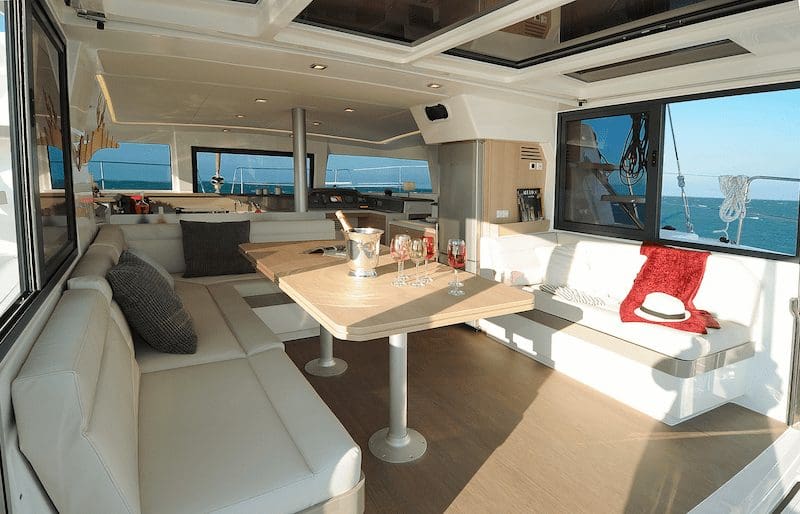
3) Provisioning With A Skipper Or Hostess
If you have booked a yacht charter with the addition of a skipper or hostess, you will need to think about provisioning a yacht a little differently.
With a hostess for your trip, they will help you create a shopping list, or they can complete a provisioning/preference list in advance and pay for it through APA.
If you don't have a hostess but have a skipper onboard, you will need to remember to purchase enough food for them and include them in your guest numbers.
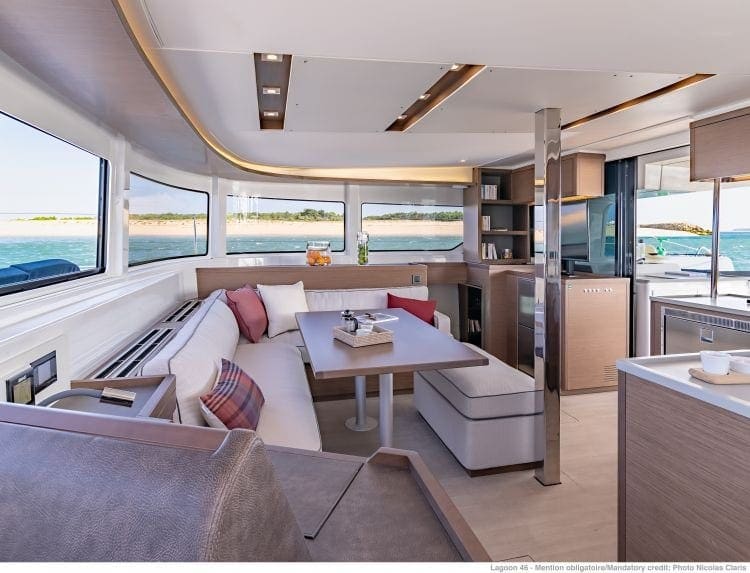
4) Our Recommended Suppliers
On many yacht charters, you can purchase a provisioning package before your trip (depending on availability, charter provider and location). These packs are designed to give you the essentials for your yacht charter, so you don't have to go to the supermarket on your first day.
These packages can include food and drink packages containing essential cooking supplies, breakfast for your first morning and snack items to get you through until you visit a supermarket.
Alternatively, numerous online grocery stores will deliver your groceries to your yacht. All you have to do is pre-book and pay online, and they will deliver to your boat at a pre-arranged time (think Tescos delivery).
If you are taking a yacht charter in Croatia, we recommend using Jam Yacht Supply.

5) Recommended Provisions And The Ultimate Shopping List
We recommend purchasing the following items at the beginning of your trip:
- Enough water for your trip duration or the first few days (allow for 1.5L per person per day, plus water for cooking)
- Plenty of snacks such as crisps, sweets, biscuits, fruit, cakes, nuts and packaged products that don't need to be cooked or refrigerated
- Drinks both alcoholic and non-alcoholic
- Provisions such as toilet rolls, washing up liquid, anti-bac spray, bin bags, shampoo, matches etc
- Concentrate more on breakfast and lunch as you may choose to eat dinner in a restaurant
- Pick up fresh produce such as bread and fruits
- Breakfast - fruits, cereal, milk/yoghurt
- Lunch - salads, pasta, cured meats etc
Have You Ever Been On A Yacht Charter? In The Box Below, Let Us Know Your Comments, Tips Or Suggestions About Provisioning A Yacht.

Christopher Lait
Chris founded Drake Academy, a sailing company that provides leadership training to businesses. Now the CEO of SailChecker.com you will find him handling many of your enquiries as he attempts to drive SailChecker.com forward as the company of choice for yacht charter and sailing by focusing on quality advice and great customer service.