
Top 10 Islands In Europe For Sailing
Take Your Next Sailing Holiday To The Next Level With Our Pick Of The Best Of The Best

Founding Member: International Federation of Yacht Charter Agents

Verified & Protected by Pantaenius Yacht Insurance.
Charter Payment Protection
Insolvency Protection
Safe Payment
Multi-Currency. Lossless Forex
Low Price Guarantee
Exclusive Deals No Hidden Fees
Top 10 Islands In Europe For Sailing
To experience that island hopping life you don’t need to head all the way to the Caribbean. Europe has more than its fair share of picture-perfect islands which makes it hard to narrow down a list for the top 10 islands in Europe.
Each one of our top 10 islands in Europe list has something unique and wonderful to offer. We’ve got you covered, though, with something for everyone, from big party destinations to underrated gems and historical powerhouses to natural wonders. Whether you’re keen for a fun-filled summer in Greece, a low-key vacation in France or looking for something new and off-the-beaten-track, get ready because here are our top 10 islands in Europe so you can start planning your next sailing holiday.
Top 10 Islands in Europe
- 1. Ionian Islands, Greece
- 2. Dalmatian Coast, Croatia
- 3. Azores, Portugal
- 4. Northern Sporades, Greece
- 5. Amalfi Coast, Italy
- 6. Balearic Islands, Spain
- 7. Dodecanese Islands, Greece
- 8. Corsica, France
- 9. Malta
- 10. Bornholm, Denmark
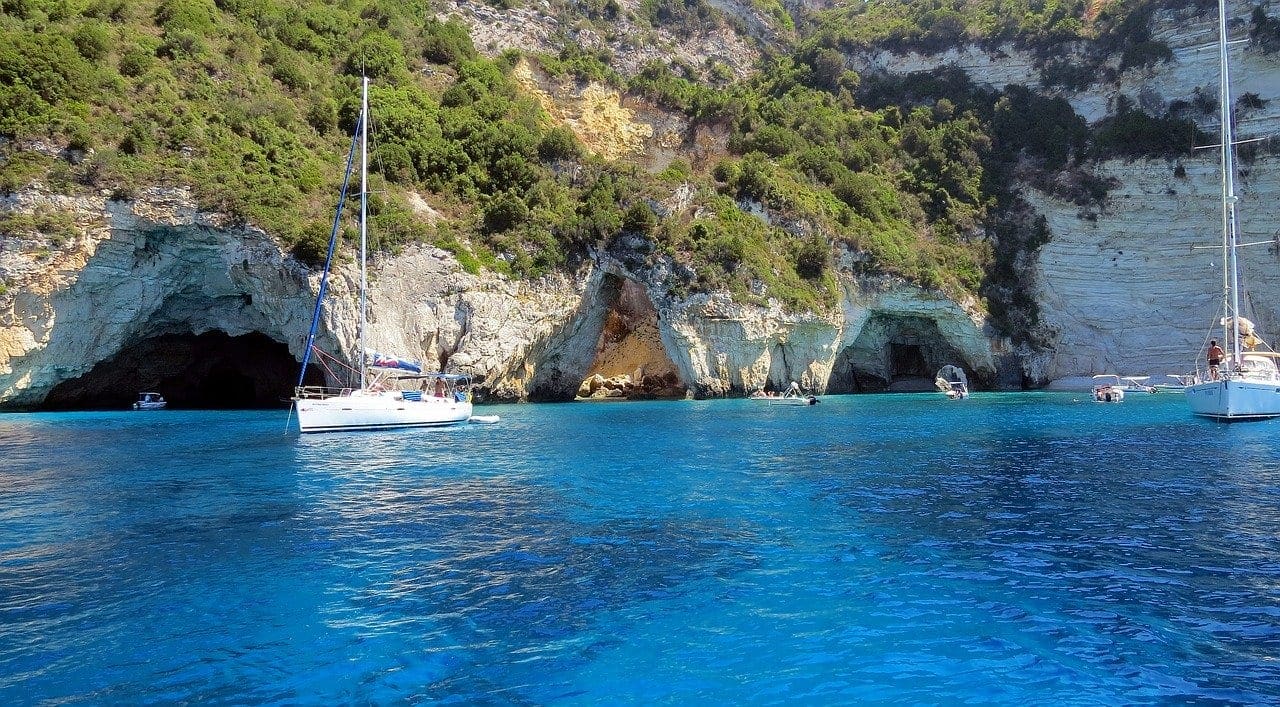
1. Ionian Islands, Greece
A Chain Of Islands, Each With Its Own Unique History And Landscape
Located off the west coast of Greece's mainland, the Ionian Islands seem to have been designed with island hopping in mind. Each island has something new to discover, from the Parisian-style arcades and Venetian alleyways of Corfu in the north to the sea caves and marine life of Zakynthos in the south which make the Ionian one of our top 10 islands in Europe.
The Ionian Islands is one of the top 10 islands in Europe mainly for its long history dating to 1,000BC. As you sail through this island chain, you’ll be able to visually read the rich narrative told in the mix of architectural styles, castles and temples.
Saying that the Ionian Islands aren’t just for history buffs. Foodies, adventure-seekers, culture vultures and beach bums will all find their own slice of European island heaven here. Lefkada has got some of the finest turquoise-lapped beaches in Greece, Kefalonia boasts vineyards and soaring mountains and Kythira offers some off-the-beaten-track walks for you to get lost in.
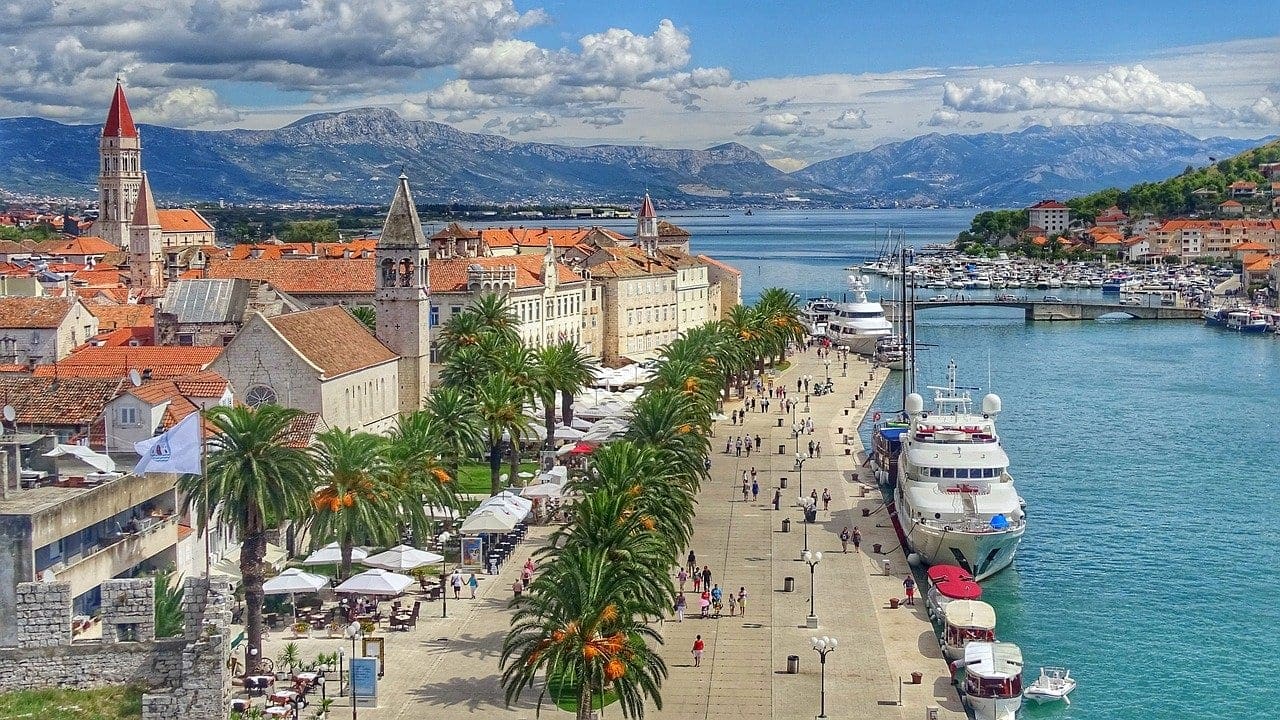
2. The Dalmatian Coast, Croatia
From National Parks To Party Pontoons, Croatia’s Packed With Possibilities
Croatia seems to be the new hot spot for sailing and it’s not hard to see why. The feel of the French Riviera in the late 50s with enticing Mediterranean cuisine and plenty of secluded spots for you to while away the day makes the Dalmatian Coast part of our top 10 islands in Europe.
You’ve got 79 islands and around 500 islets to explore. Timeless Vis is a dreamy haven with the Aladdin-like cave of Biševo right off its shores and the remote islands of Kornati and Mljet are ideal for reconnecting with nature.
While powerhouse Hvar has a big reputation and for good reason. Picturesque stone villages, pebbly coves, secluded inlets and lush vineyards are all on the agenda and even though it’s definitely family-friendly, this is where you’ll want to stop for some fun nightlife, at one of our top 10 islands in Europe.
Croatia sailing holidays are also doable for any level of sailor as the distances between islands are short and wind conditions are manageable, especially in the southern Dalmatian.
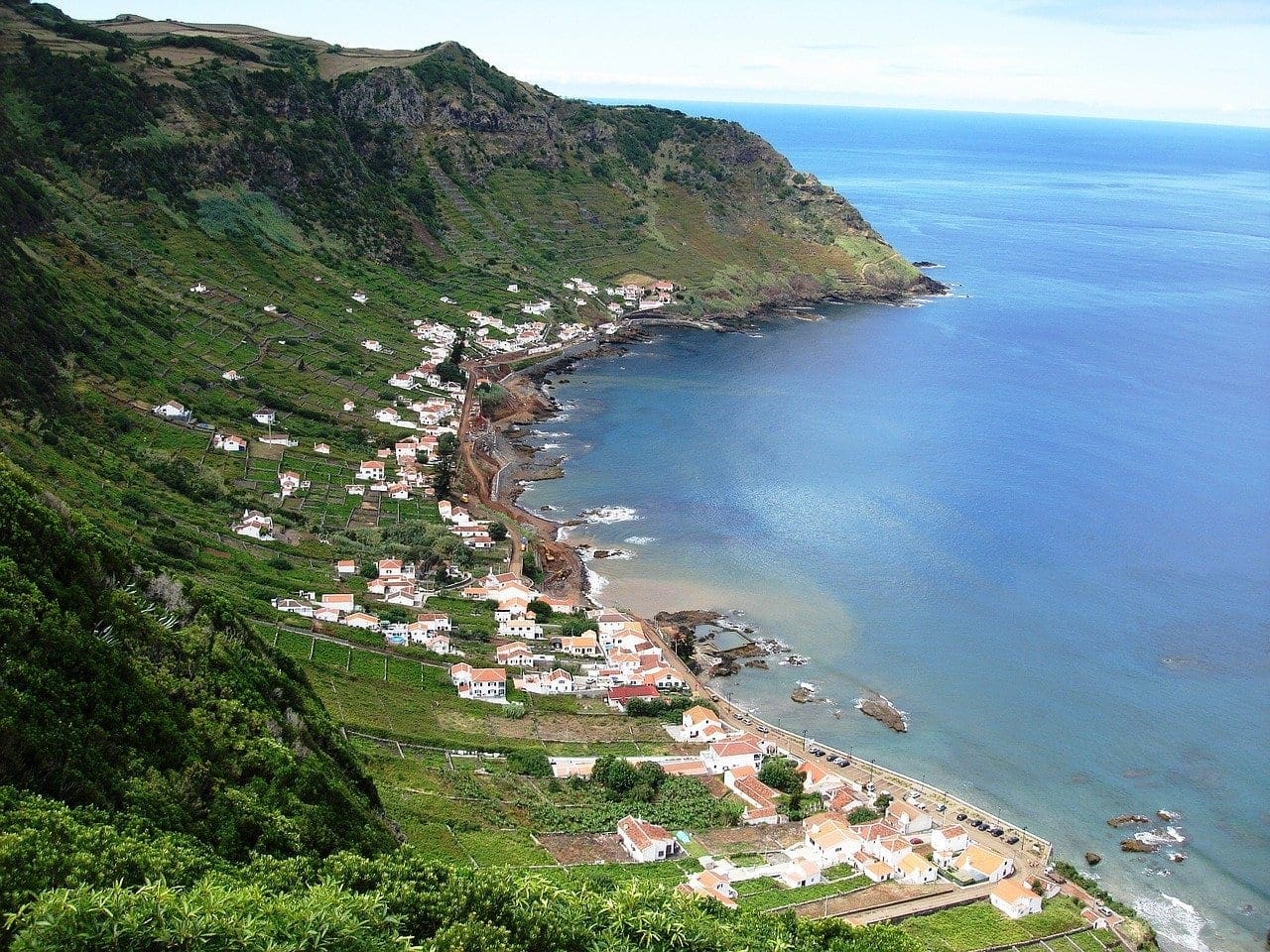
3. Azores, Portugal
An Off-The-Beaten-Path Destination With An Otherworldly Appearance
If you really want to get away from it all, then look no further than the Azores in Portugal, our next pick for the top 10 islands in Europe. Sprawled across 370 miles of the Atlantic Ocean, this archipelago of nine Portuguese islands is unspoilt by mass tourism and is known for its dramatic lunar-like landscapes and lush green vegetation. Lucky sailors might get to spot the odd whale or dolphin as well.
Sail along the south-west coast of Faial to take in the huge volcanic rock walls at Capelinhos, get lost in Angra do Heroismo, one of the most historical cities in Portugal and go underground in the Algar do Carvão caves. Pico is worth a couple of days with an abundance of attractions including the high lagoons of Capitao and Caiado. Don’t leave before admiring the Caldeira Volcano on Horta and schedule a night sail to admire the fluorescent sea caused by bioluminescent algae.
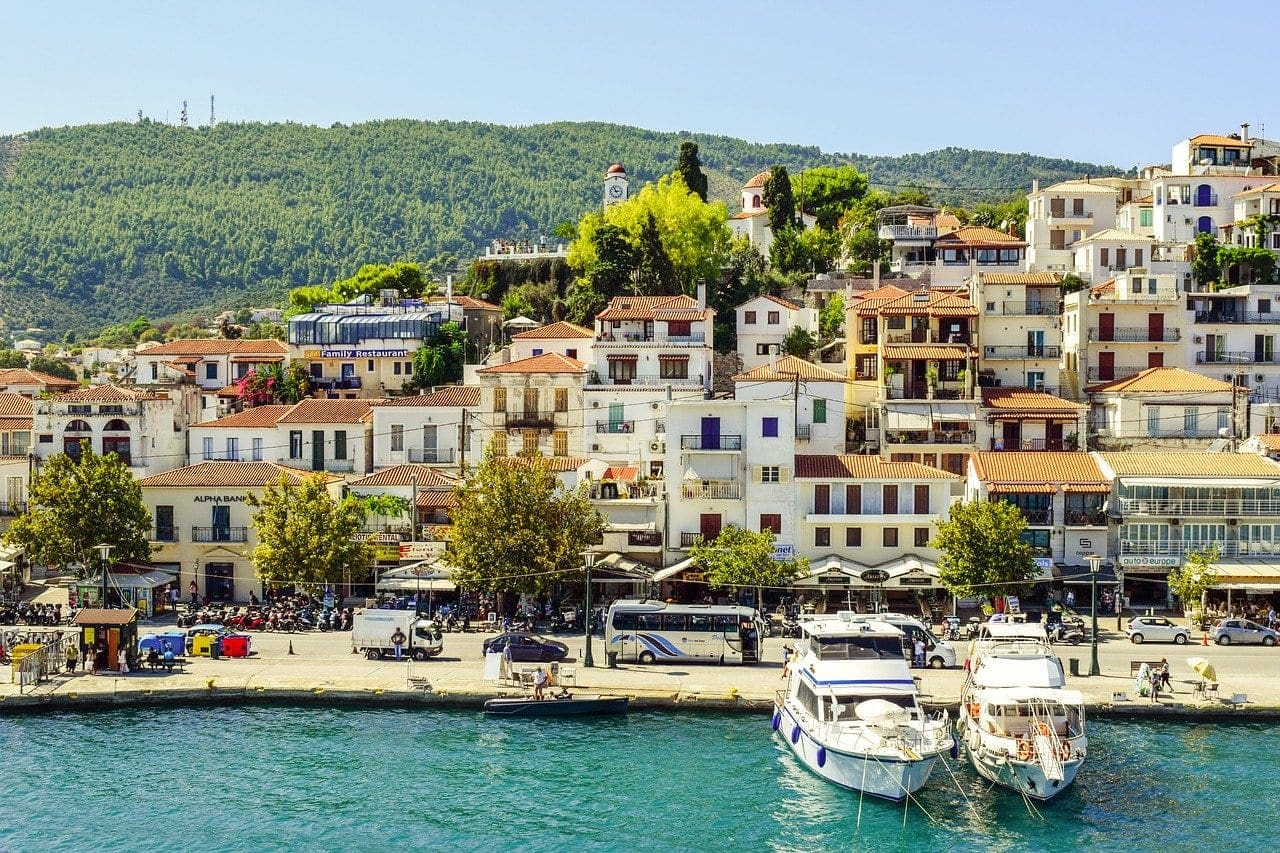
4. Northern Sporades Islands, Greece
A Destination With Movie-Star Qualities In The Middle Of The Aegean Sea
Located off the East Coast or Greece, the Northern Sporades Islands are all about the beautiful scenery and stunning beaches but what makes them one of our top 10 islands in Europe for a sailing holiday is the sheer amount of secluded anchorages and wildlife.
The National Marine Park of Alonissos measures 2,200 km² and is known for the Mediterranean Monk Seal, one of the world's most endangered species. Dolphins, loggerhead turtles and whales are also common. When it’s time for some beach action, avoid the crowds on popular Skiathos by dropping anchor in one of the secluded bays where you can be all on your own.
When you’re keen to explore inland, you can go hunting for your new favourite taverna in the narrow stone alleys where the houses feature verandas, balconies and courtyards full of flowers. If that doesn’t have you booking the next charter out, check out our Sporades Sailing Itinerary where you’ll be able to also visit the locations where Mamma Mia was filmed, which make it one of our top 10 islands in Europe.
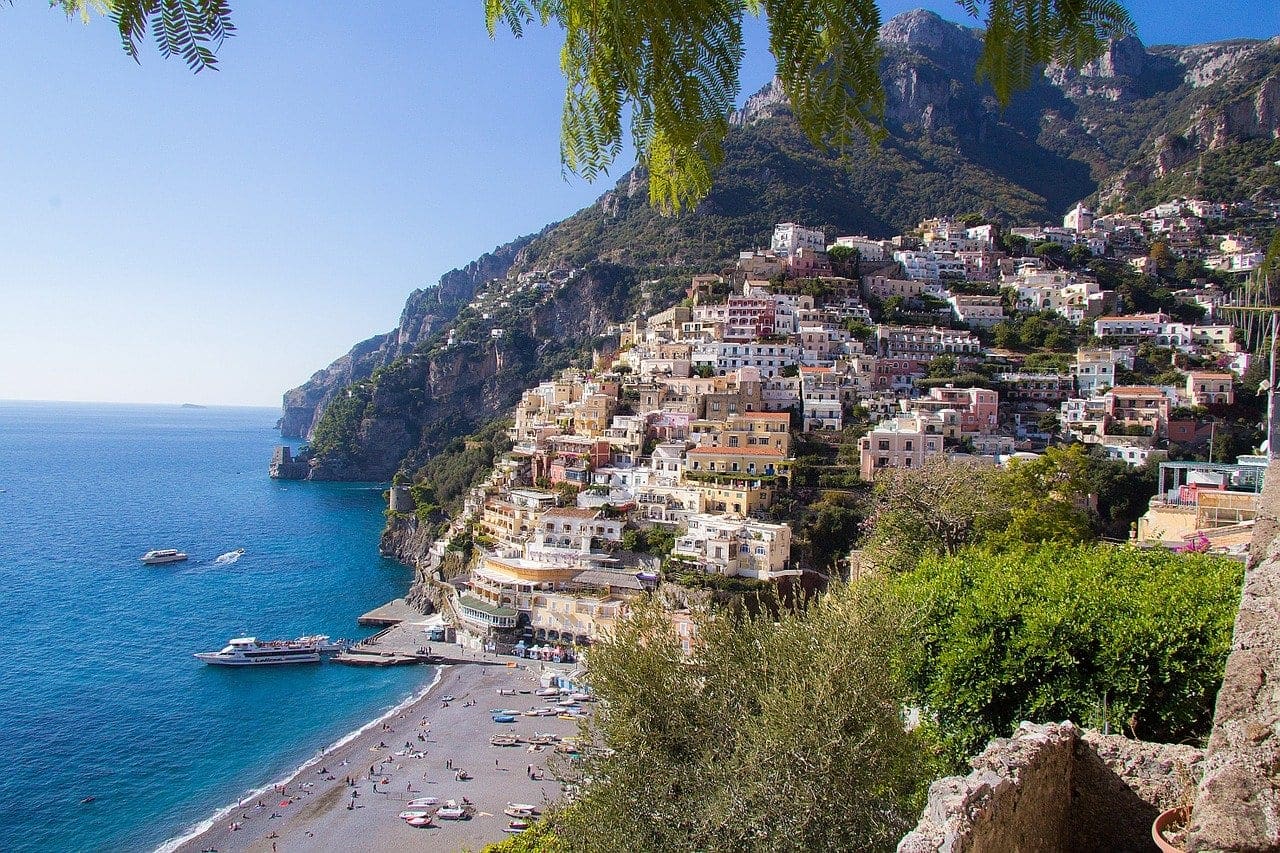
5. Amalfi Coast, Italy
A Tale Of Two Islands Offering Two Different Slices Of Italian Life
This famous stretch of Italian coastline seems made for two things, road trips and sailing holidays, and holds a firm place in the top 10 islands in Europe. Once you’ve done the former, it’s time to set sail for the islands of the Amalfi Coast.
Start off with the glitz and glamour of Capri, the getaway spot previously reserved for the uber-rich and A-list celebrities. This small, precipitous island just off the coast near Sorrento is dripping with elegant villas, meticulously manicured gardens, museum-quality jewellery shops, designer boutiques and expensive restaurants. Just expect a price tag to go along with all this opulence.
Sailing around Capri gives you some Instagram-worthy photo opportunities with sights of dramatic limestone cliffs, the famous Faraglioni rocks and numerous sea caves including Grotta Azzurra, known for its seemingly impossible azure waters.
Head north to visit the volcanic island of Ischia which is almost the exact opposite of Capri. Authentic, old-world and rustic are words that come to mind. You can taste local wines, sample some fresh produce, relax in one of the many thermal springs, explore a medieval castle and make sure to take in the sunset which always seems to be a magical day in and day out.
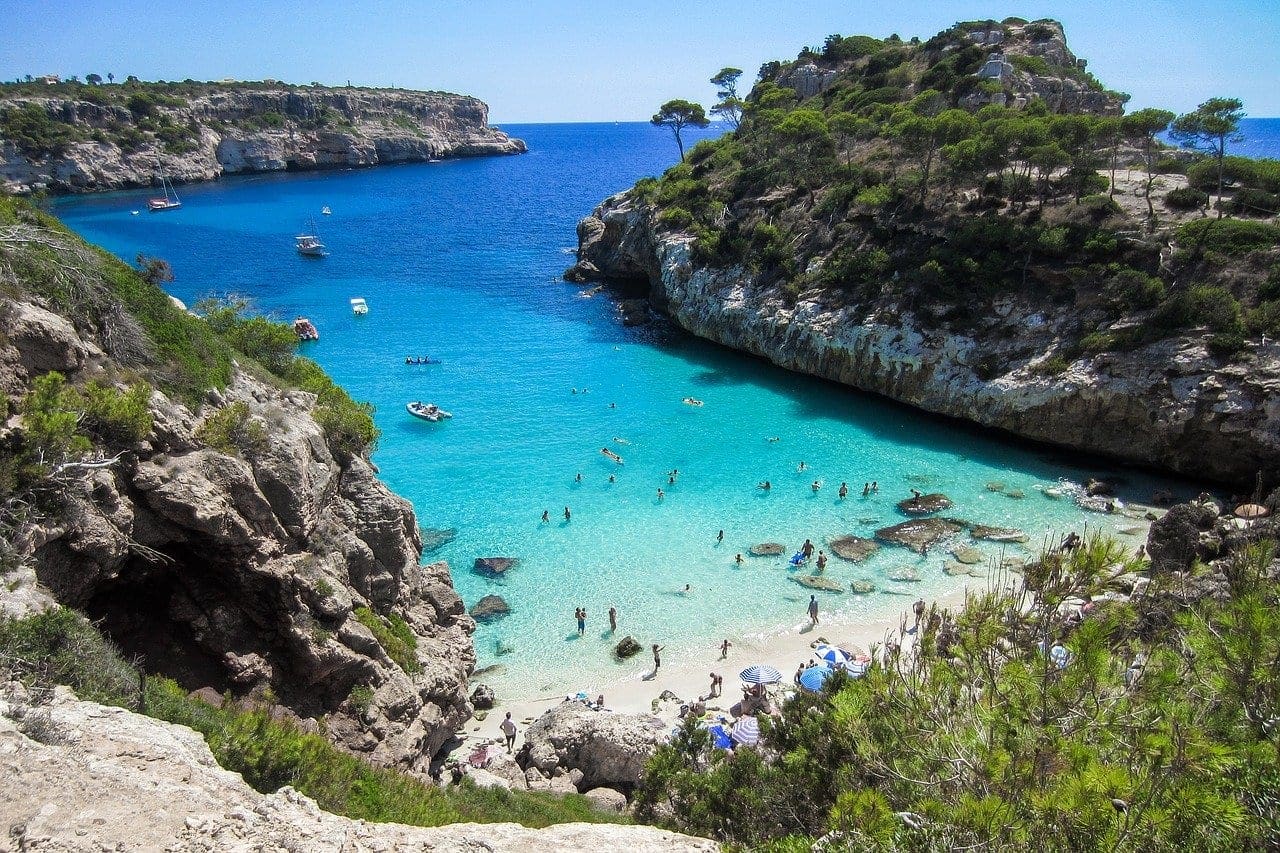
6. Balearic Islands, Spain
Not Just A Party Destination, These Islands Have Got Something To Keep Everyone Entertained
What makes the ideal sailing adventure? How do remote coves, endless sunshine, lively nightlife and hundreds of islets just waiting to be explored sound? The Balearic Islands are an obvious choice for a spot in our top 10 islands in Europe, not just for its popular sailing destinations like Mallorca and Ibiza but also for the little secluded surprises you’ll find along the way, which is why they are one of our top 10 islands in Europe.
Located off the coast of Eastern Spain, the Balearic Islands are a sun-kissed archipelago of islets and islands most popular for party-loving Ibiza. If you’re not up for endless nights out, however, you’ll find a lot more on offer.
While the day away tasting local wines, exploring ancient villages and hidden hamlets and discovering the mountains of Sierra de Tramuntana, a World Heritage Site in Mallorca. Menorca is more low-key with a host of postcard-perfect beaches and archaeological wonders while tiny Formentera has a boho-chic vibe that’s all about lazy days lounging by gentle turquoise waters.
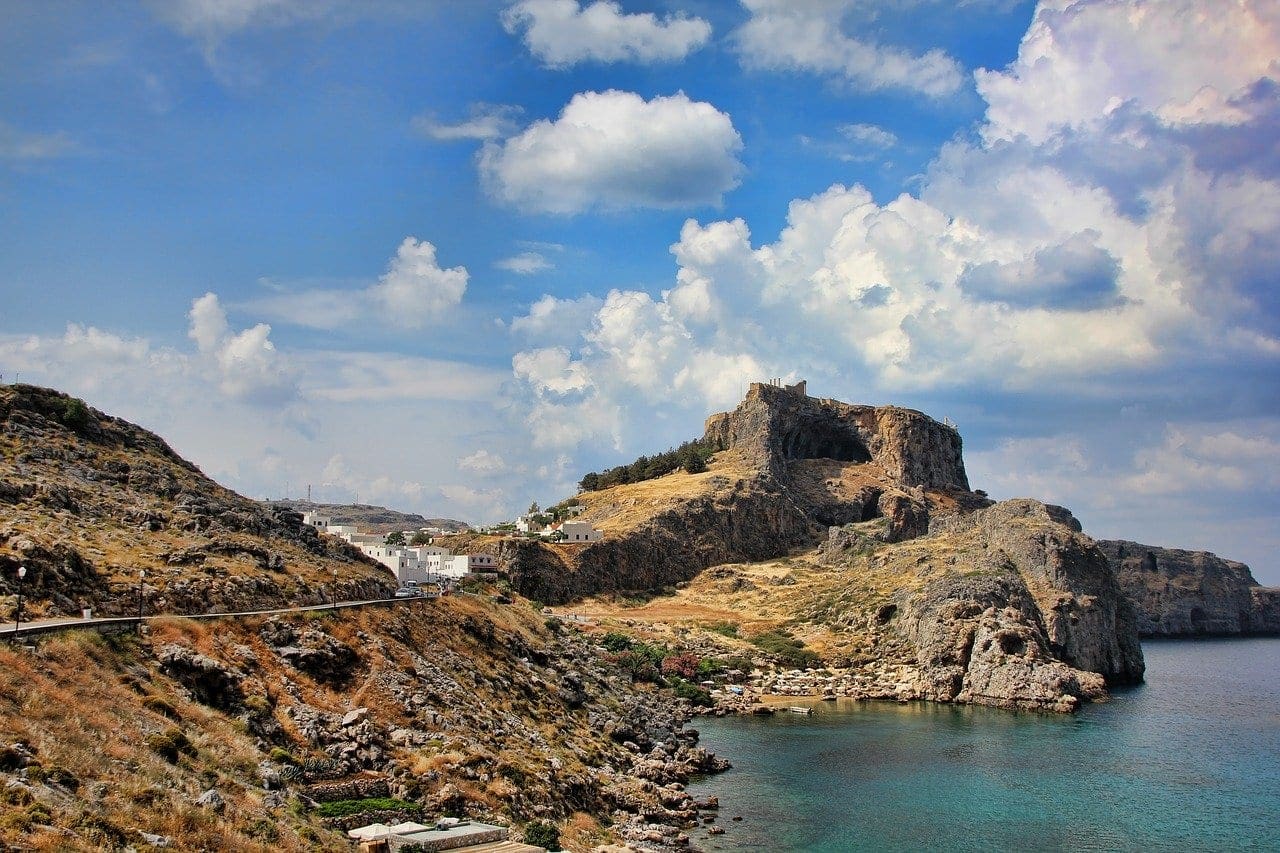
7. Dodecanese Islands, Greece
Venetian, Ottoman And Italian History Collide At This Overlooked Greek Island Destination
The Dodecanese Islands in the south-eastern Aegean Sea is known as the sunniest corner in Greece. With 12 large islands to explore along with imposing Byzantine and medieval monuments, unique traditional settlements, peaceful beaches and important archaeological finds, the Dodecanese packs a punch as one of the top 10 islands in Europe.
Standouts include Leros, a scuba diving destination known for its old shipwrecks; Kalymnos, a rock climbers paradise and Patmos, famous for its spiritual character. Rhodes is the most cosmopolitan of the bunch and you’ll find bustling waterfronts and the enchanting Medieval Old Town where you’ll get a sense that time has stopped.
If you want to get off-the-beaten-track, the Dodecanese has plenty of options. Besides many of its inhabited islands which are relatively untouched by mass tourism, you’ll be able to easily sail to your choice of secluded bays and tiny islets where you’re likely to have the place to yourself, which make it one of our top 10 islands in Europe.
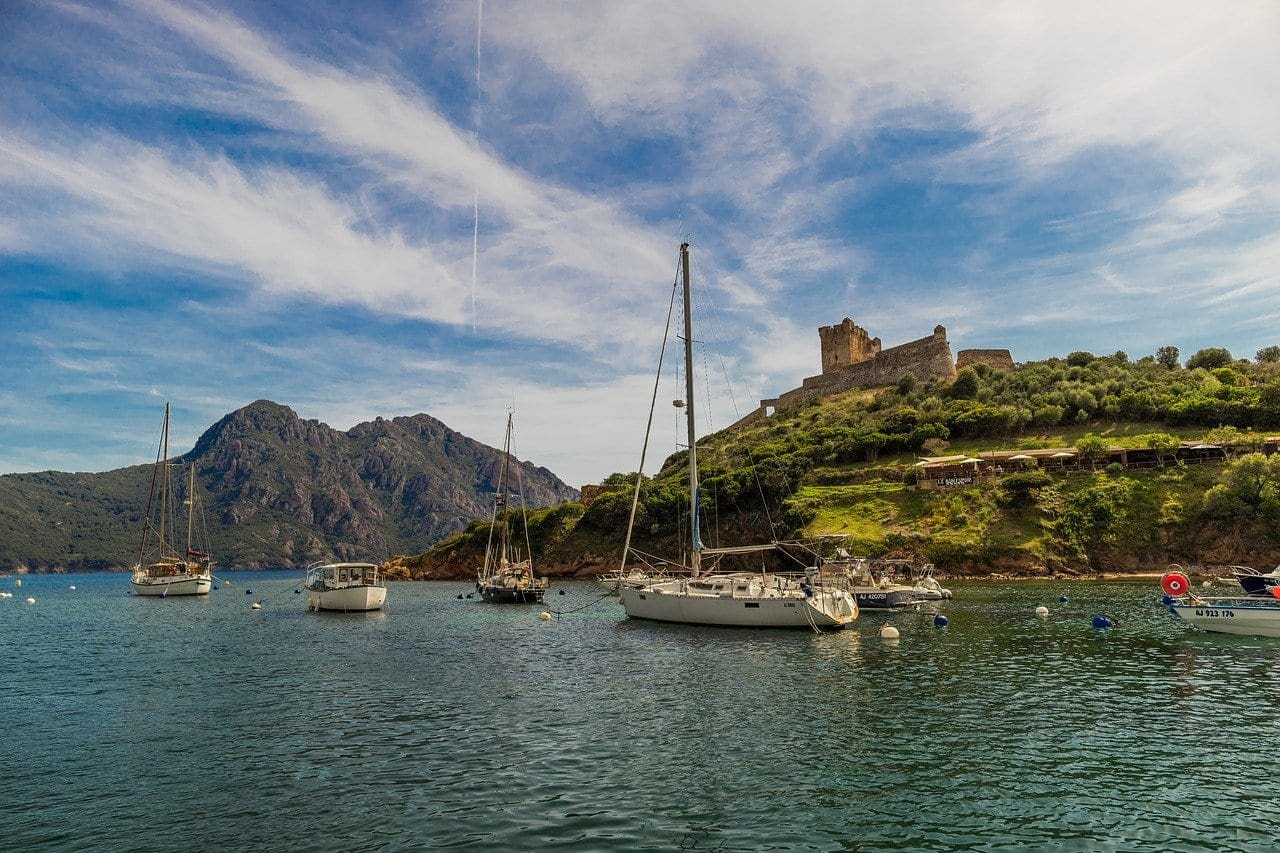
8. Corsica, France
Dramatic Natural Beauty And Character That Only A Savvy Few Have Experienced
While it might have been one of the best-kept secrets of the Mediterranean, it’s not going to stay that way for long. Corsica, our next pick for one of the top 10 islands in Europe has got great weather, over 200 beaches and hidden coves and secluded bays that are best appreciated from the deck of your yacht.
Corsica lies southeast of the French mainland and boasts a landscape that ranges from glittering bays to sawtooth mountain ridges and activities as varied as snorkelling and sunbathing to hiking and canyoning. Not to mention the island’s multifaceted history and delectable local delicacies. You’ll be hard-pressed to get bored here.
Check out our Corsica Cabin Charter guide for all you need to know about the unique region in the Mediterranean, and discover why it is one of our top 10 islands in Europe.
9. Malta
An Underrated Sailing Destination That’s Ripe For Exploring
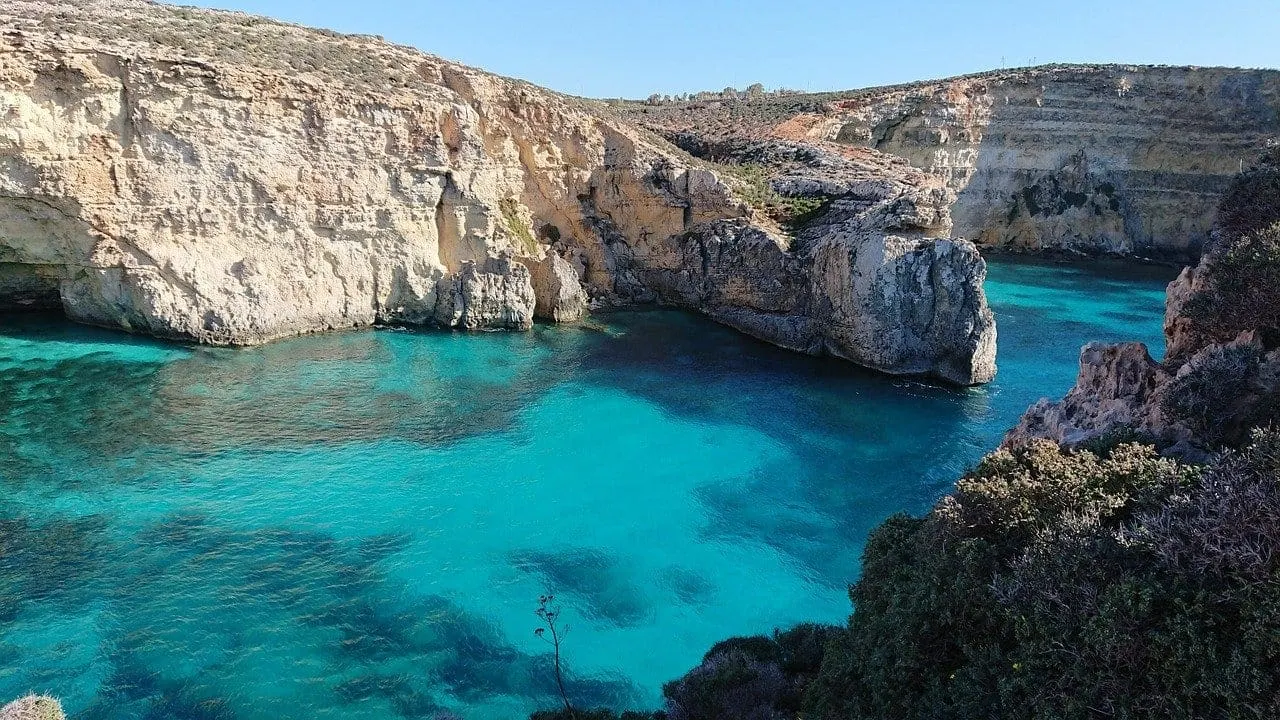
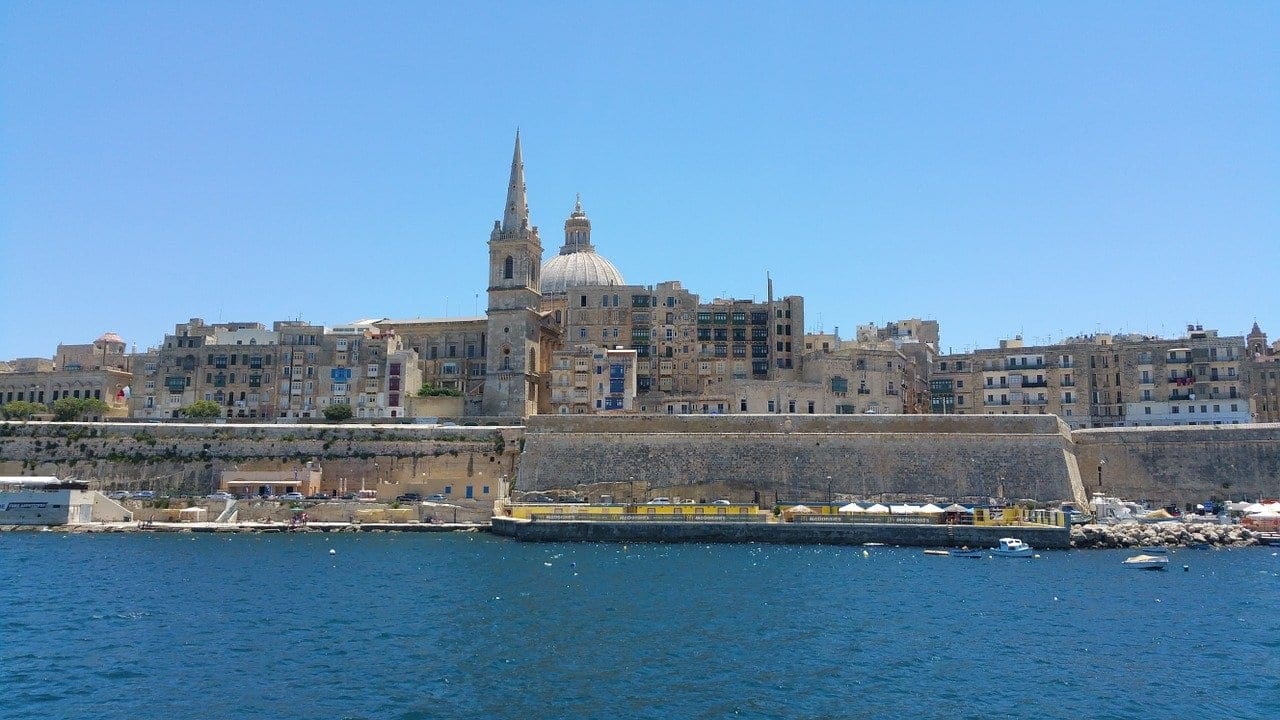
This one’s not so much a secret as just greatly overlooked for other popular nearby sailing destinations. Malta and its surrounding islands of Comino and Gozo make our top 10 islands in Europe list because of the wonderful natural attractions you can find here and the dense, fascinating history.
Often described as an open-air museum, Malta has a long nautical history dating back over 2,500 years. You’ll find miles of unspoiled coastline with good anchorages some of which are remote and secluded. Along the east coast there are sandy beaches and wide bays while in contrast, the north and south have sharp, rocky coasts and high cliffs.
This little island nation is filled with beautiful coastal towns, historic cities and some of the best beaches in the world and seeing it all with a Malta yacht charter is the best way to go, and why it is included in our top 10 islands in Europe.
10. Bornholm, Denmark
A Sunny Escape Known As The Capri Of The North One Of Our Top 10 Islands In Europe
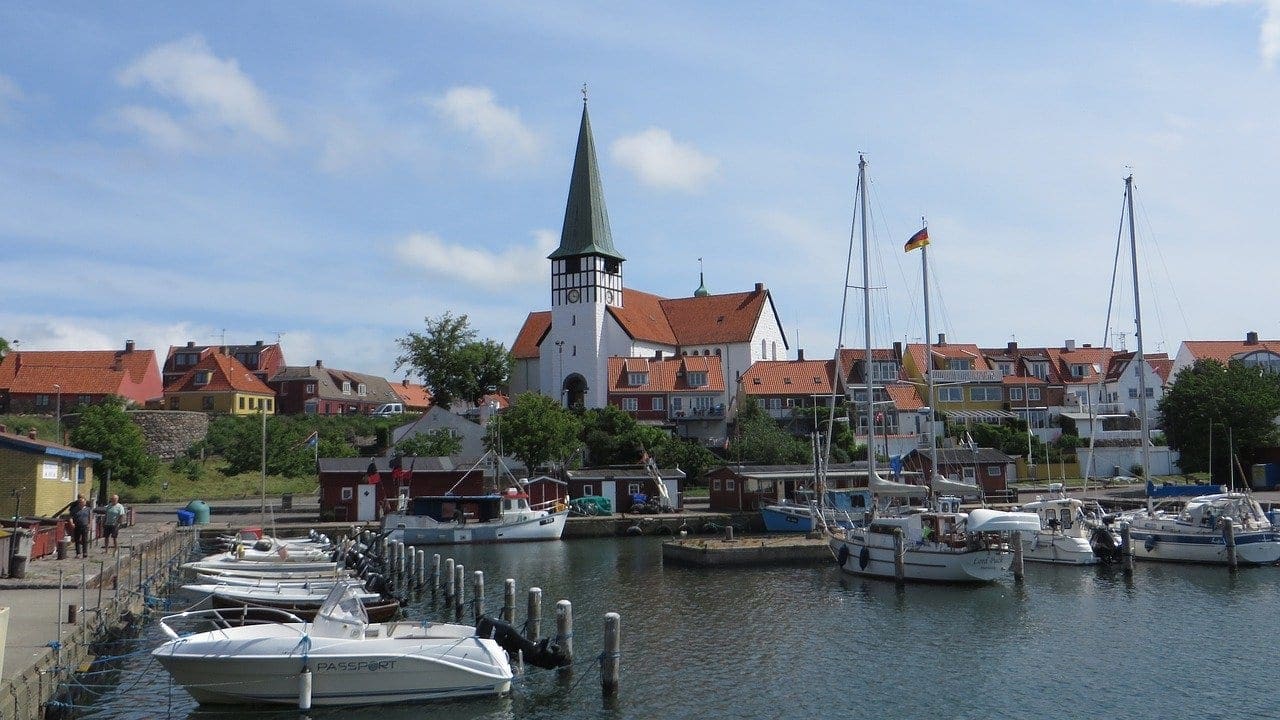
For something closer to home but just as stunning as its southern rivals, you can’t look past Bornholm in Denmark. Don’t just take our word for it, though, Bornholm has been named one of the best islands in the world by Conde Naste Traveler, and one of our top 10 islands in Europe.
This Danish isle in the middle of the Baltic Sea is home to white-sand beaches, rocky cliffs and leafy forests just begging to be explored as one of our top 10 islands in Europe. Intrepid sailors willing to try out this underrated beauty will also find an isle of culinary wonders that comes complete with its own Michelin-starred beach shack.
There are plenty of opportunities to explore the coastline as well, with windsurfing, sea kayaking and fishing all notable activities in Bornholm, planting it firmly on our list of top 10 islands in Europe.

Christopher Lait
Chris founded Drake Academy, a sailing company that provides leadership training to businesses. Now the CEO of SailChecker.com you will find him handling many of your enquiries as he attempts to drive SailChecker.com forward as the company of choice for yacht charter and sailing by focusing on quality advice and great customer service.