
Top 11 Places To Visit On A Europe Bareboat Charter
With Thousands Of Islands And Thousands Of Miles Of Coastline, Through 44 Countries, On A Europe Bareboat Charter, There Is A Perfect Destination For Everyone

Founding Member: International Federation of Yacht Charter Agents

Verified & Protected by Pantaenius Yacht Insurance.
Top 11 Places To Visit On A Europe Bareboat Charter
A Europe bareboat charter is perfect for everyone with 44 countries to discover, although some are not surrounded by seas or oceans there are still plenty of Europe bareboat charter destinations. The major seas in Europe include the Mediterranean Sea, Atlantic Ocean, English Channel, bays of the Mediterranean, Baltic Sea, the Barents Sea, and many more.
The Mediterranean Sea is one of the world's most popular tourist destinations with over 1/3 of the world's tourists visiting the Mediterranean and the 23 countries it borders. No matter which country you visit the deep blue ocean and Mediterranean climate make the perfect Europe bareboat charter destination. With over 3,300 islands a length of 2,500 miles (4,000km) and an area of 965,000 square miles (2.5 million km), the Mediterranean is bordered by countries in southern Europe, North Africa, and Asia.
Best Places To Visit On A Europe Bareboat Charter
On a Europe bareboat charter, all 30 countries in Europe which have a sea border are different, it is one of the most culturally diverse sea regions in the world, with a large number of different languages spoken, a variety of coastline landscapes, and diverse traditional cultures located throughout.
Sailing on a Europe bareboat charter has a country for everyone from beginner sailing areas to advanced long stretches of open ocean for professional sailors. The water temperature depending on the geographic location and location in Europe, which make it an ideal sea for swimming, snorkelling, and discovering the underwater world, with a variety of marine life as well as the land which surrounds it, which is great for a Europe bareboat charter.
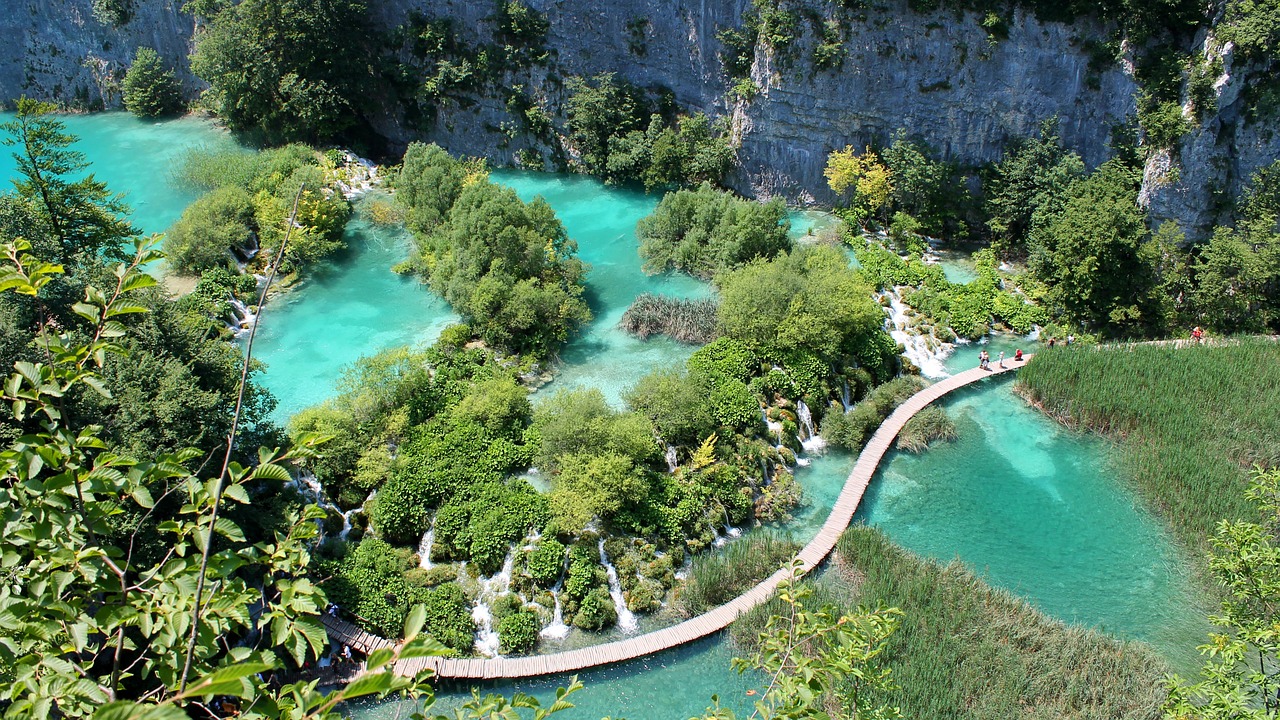
1. Croatia
Croatia Sailing. Croatia has quickly become a go-to Europe bareboat charter destination, with over 1,000 islands, a large coastline as well as natural wonders, historical sites, clear waters, perfect sunsets, and is filled with ample possibilities. Sailing in Croatia can take you to Mljet Island National Park to hike or bike, a 12th-century Benedictine monastery St Mary in Dubrovnik, Hvar’s stylish medieval architecture or Korcula’s incredible hospitality.
Europe Bareboat Charter. Croatia has something for everyone, with idyllic sailing conditions, warm waters and weather as well as islands and beaches to relax on. The major problem with visiting Croatia is deciding what itinerary you want to take on a Europe bareboat charter.
Bareboat License. For a Croatian bareboat charter, a formal sailing license is required the skipper must possess one of the following;
- RYA Day Skipper Course
- ICC (International Certificate of Competence) International
- IPC (International Proficiency Certificate) the USA
- NauticEd SLC (International Sailing License and Credentials) International
- UK - MCA Master, and the RYA Day Skipper Shorebased Certificate or above
- USA - US Sailing "Basic Keelboat", and ASA "103 Basic Coastal Cruising" or above
VHF Radio License. All skippers are required by law to have a VHF Radio Operator's License when sailing in Croatia. For more information please contact us today.
2. Greece
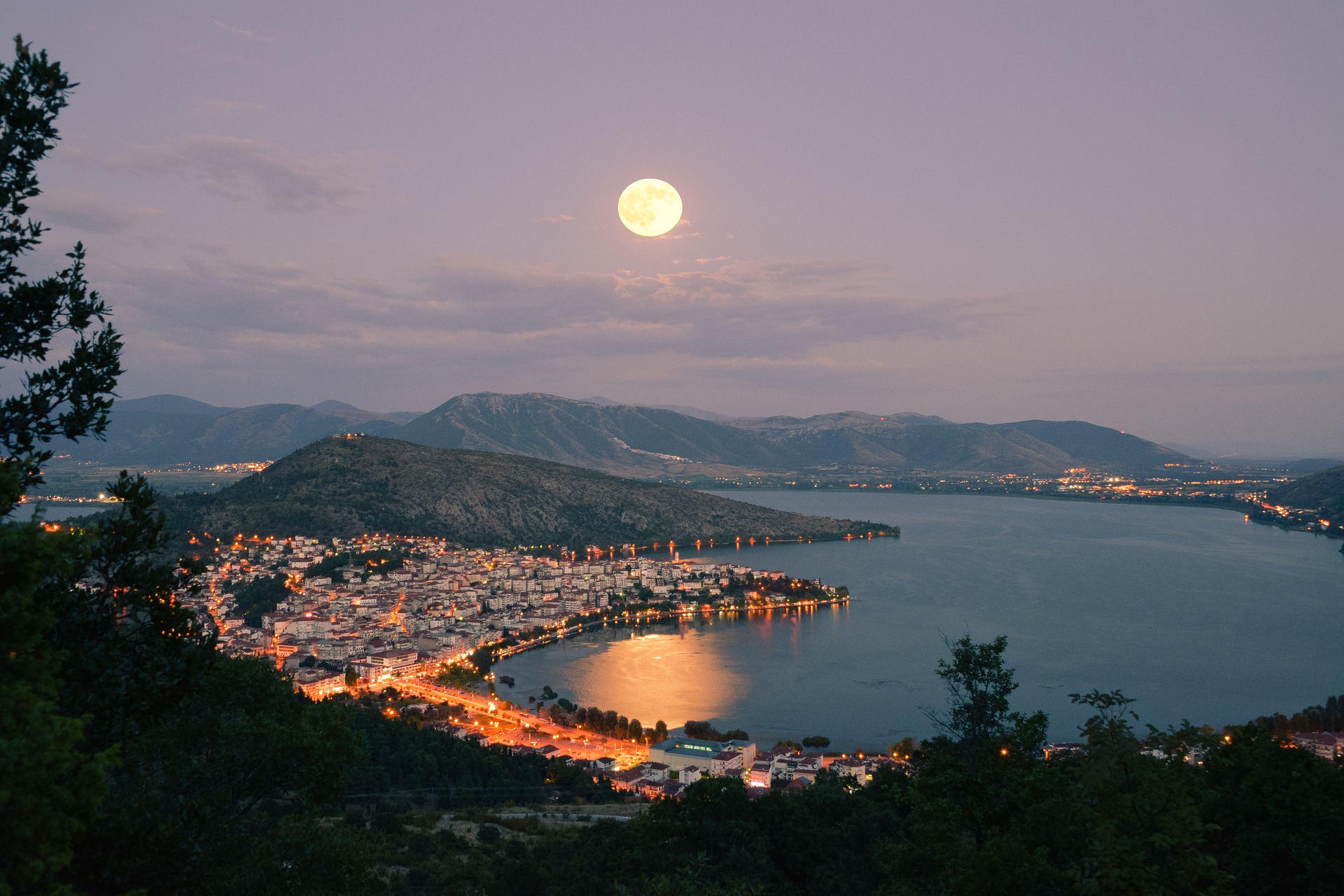
Sailing in the Ionian. The Ionian is made up of a collection of seven islands, Kerkyra (Corfu), Paxos, Lefkada, Ithaca, Kefalonia, Zakynthos, and Cythera. These islands all offer great marinas to stay overnight, beautiful anchorages, and unique experiences to have. The Ionian is also bordered by mainland Greece which equally has some great small villages, traditional towns, and bays to discover on a great Europe catamaran charter.
The Cyclades. The Cyclades are home to some of the most photographed and famous islands. The Cyclades are laid out in a circle, making it easy to go from one to another on a Europe bareboat charter. Made up of 2,200 individual islands, which only 25 islands are populated. Here you’ll find classic Greek culture, rich history, and gorgeous scenery. Whitewashed buildings are in abundance against the stunning deep blue sea and delicious Mediterranean food to try on a Europe bareboat charter.
Places to Visit in Greece. Some of the must-visit islands on a Europe bareboat charter are the following;
- Zakynthos Island - With the famous Navagio Beach (Shipwreck Beach) and Zakynthos Marine Park.
- Corfu - With Corfu Town, the Old Fortress, the New Fortress, and Angelokastro Castle to explore.
- Mykonos - The islands perfect whitewashed architecture, with the Old Port Harbour and Aghia Anna Bay beach.
- Paros - White sand beaches, ancient monuments, and small Greek villages.
- Sifnos - Beachfront towns with cobbled streets.
- Folegandros - An adventure-lovers paradise with plenty of hikes and adventures.
- Santorini - The most famous island with whitewashed buildings and blue roofs.
- Kefalonia - Some great places to explore are Melissani Cave and De Bosset Bridge. Temple Cave (Fisxardo), and Blue Canyon Lake (Lassi) are great diving spots.
Bareboat License. For a Greece bareboat charter, a formal sailing license is required the skipper must possess one of the following;
- RYA Day Skipper Course and ICC
- ICC (International Certificate of Competence) International
- IPC (International Proficiency Certificate) USA
- NauticEd SLC (International Sailing License and Credentials) International
- USA - US Sailing "Basic Keelboat", and ASA "103 Basic Coastal Cruising" or above
3. Malta
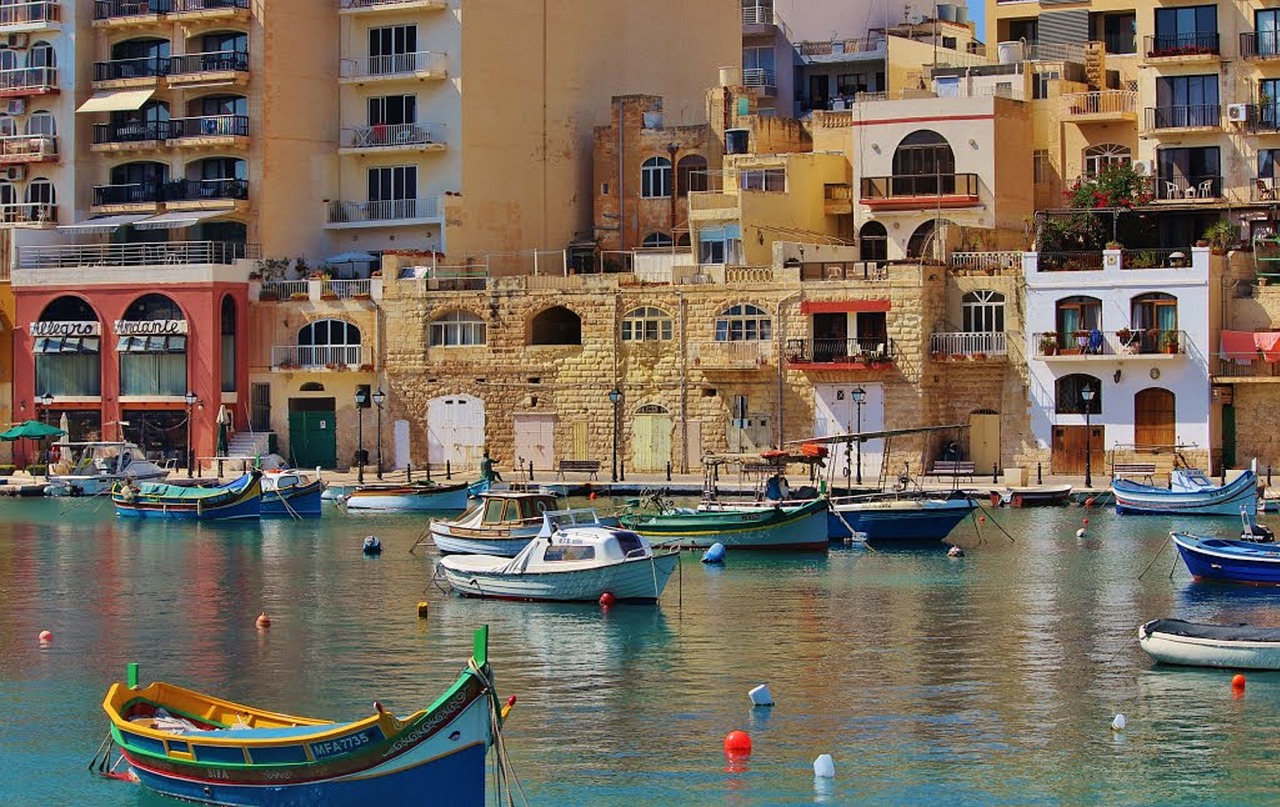
Malta. On a Europe bareboat charter, you can discover an island off the coast of Sicily, in the Mediterranean, 80km (50miles) off the coast of southern Italy and 284km (176miles) off the coast of Tunisia. Malta is filled with history, culture, colourful buildings, turquoise oceans, sandy beaches, and vibrant resort towns. Malta and its surrounding islands of Gozo and Comino have been long forgotten as tourist or sailing destinations, with many sailors and visitors choosing other nearby popular areas instead. With coastal and port cities to explore, high-class hotels and restaurants as well as great beaches to be explored Malta has something for everyone.
Great Sailing Destination. Malta is also a great destination for a Europe bareboat charter, with the unspoiled coastline, good anchorages many of which are remote and secluded. Malta is made up of beautiful coastal towns, villages, some of the best beaches in the world, coves, turquoise waters, and historic cities. All these locations are the perfect stop on sailing the Mediterranean getaway, with beaches, islands, delicious restaurants, and picturesque locations.
Bareboat License. For a Europe bareboat charter, in Malta, a formal sailing license is required, with either an RYA Day Skipper Practical qualification, an RYA International Certificate of Competence (ICC). In addition to this, someone in the crew must hold a VHF Radio License.
4. Turkey
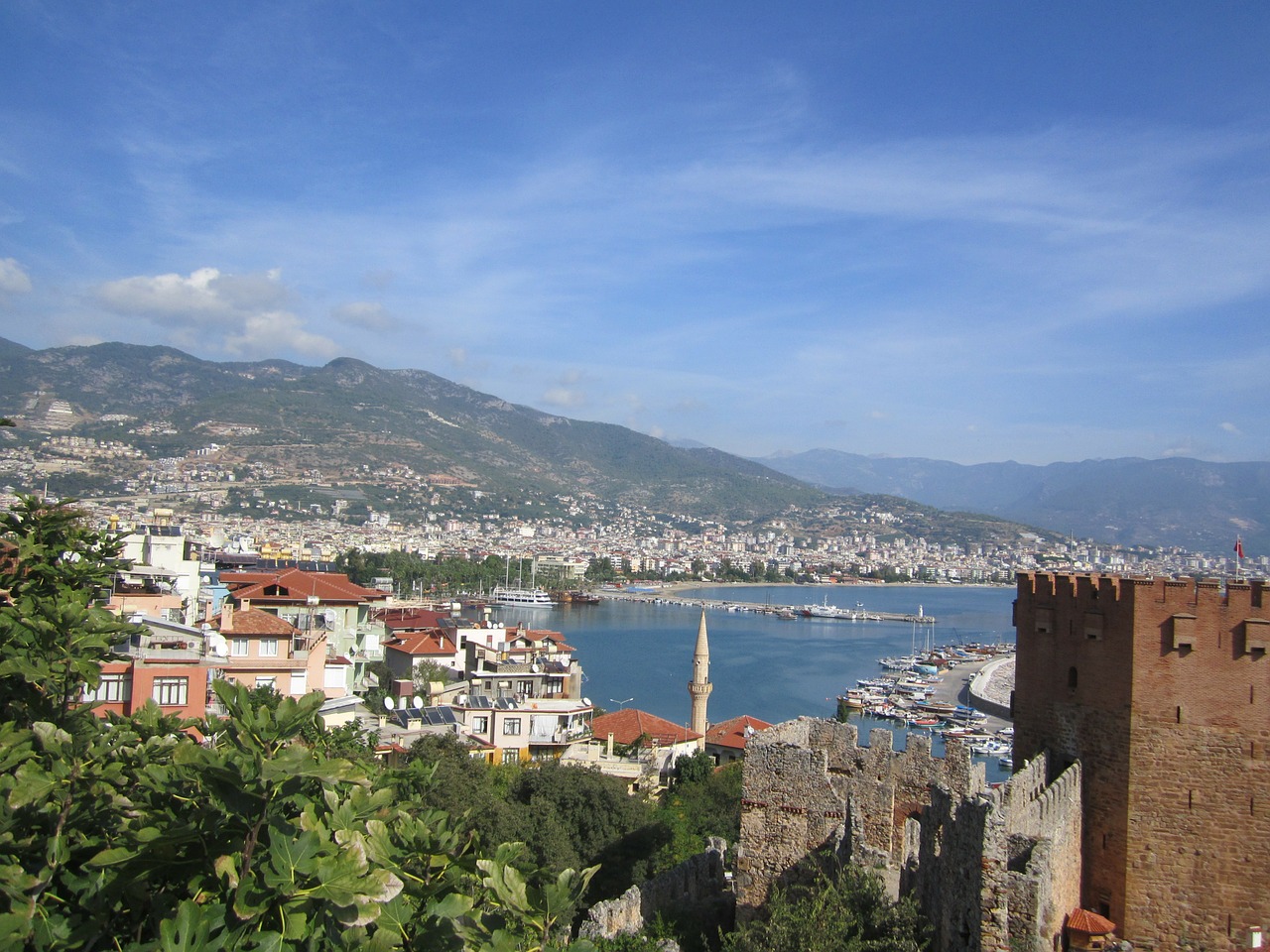
Europe Bareboat Charter. The Turkish Riviera is a 1,000 mile stretch of coastline, with green mountains, crystal clear waters, historic sites, and superb beaches. From diving in Antalya, the archaeological site of Ephesus, the vibrant city of Fethiye, Ölüdeniz lagoon, and the medieval castle, and underwater museum in Bodrum. There are plenty of must-visit sites to see on a Europe bareboat charter plus great sailing conditions, warm weather, world-class diving, and snorkelling.
5. Portugal
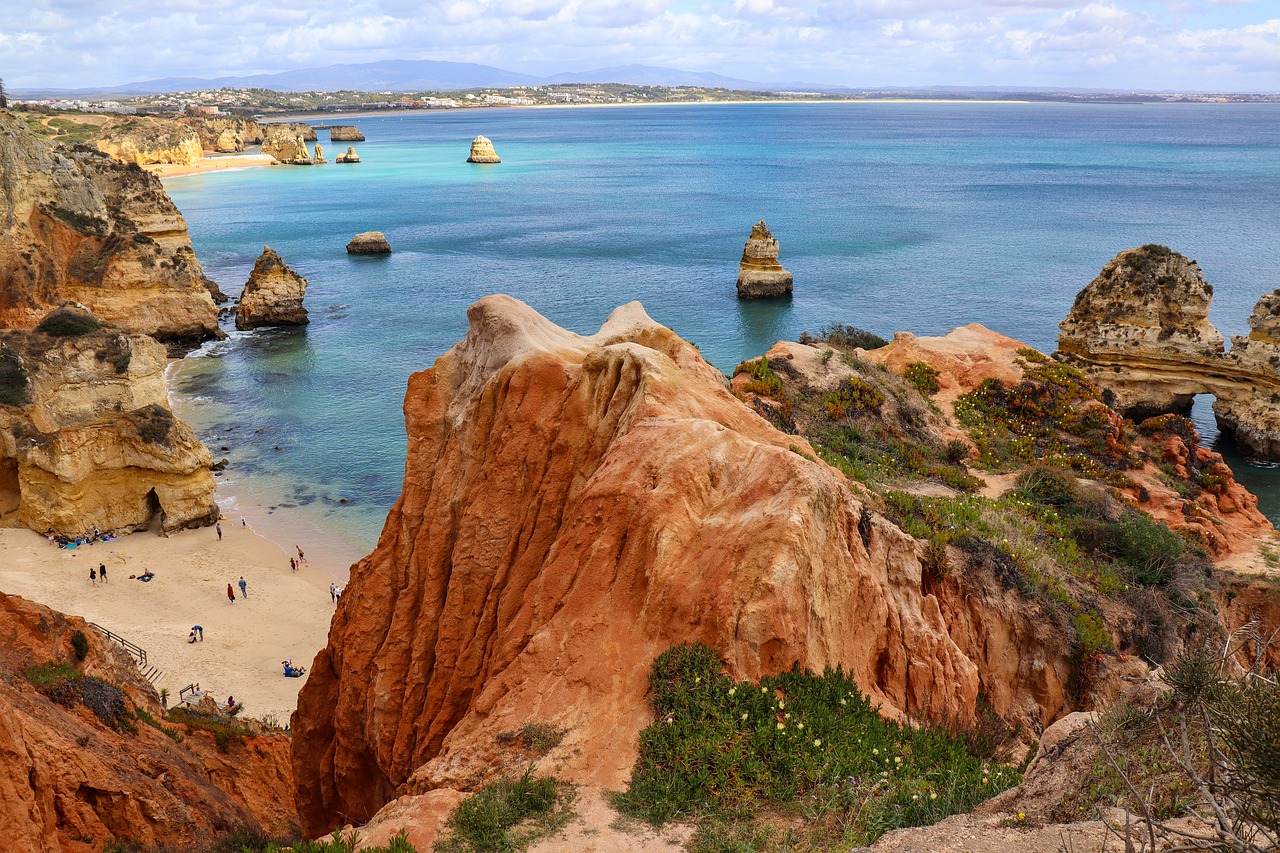
Portugal. Portugal has over 1,115 miles of coastline to discover. With the city of Lisbon providing a great place to sail to discover the city and it's UNESCO World Heritage Sites such as Belem Tower. Lisbon is also the site for some of the best regattas in the world such as the Volvo Ocean Race and the Tall Ships Races. The coastline also has the Algarve, Porto, and other bays and coves to discover.
Great Sailing Destination. Portugal is a great place for a Europe bareboat charter with the coastline to discover and for those more adventurous they can head to the Azores archipelago. The Azores is a collection of nine volcanic islands, known for their untouched scenery and beautiful landscapes.
Bareboat License. For a Europe bareboat charter, in Portugal, a formal sailing license is required. Any sailing license issued by an EU authority is accepted in Portugal and an ICC (International Certificate of Competence) is almost always required.
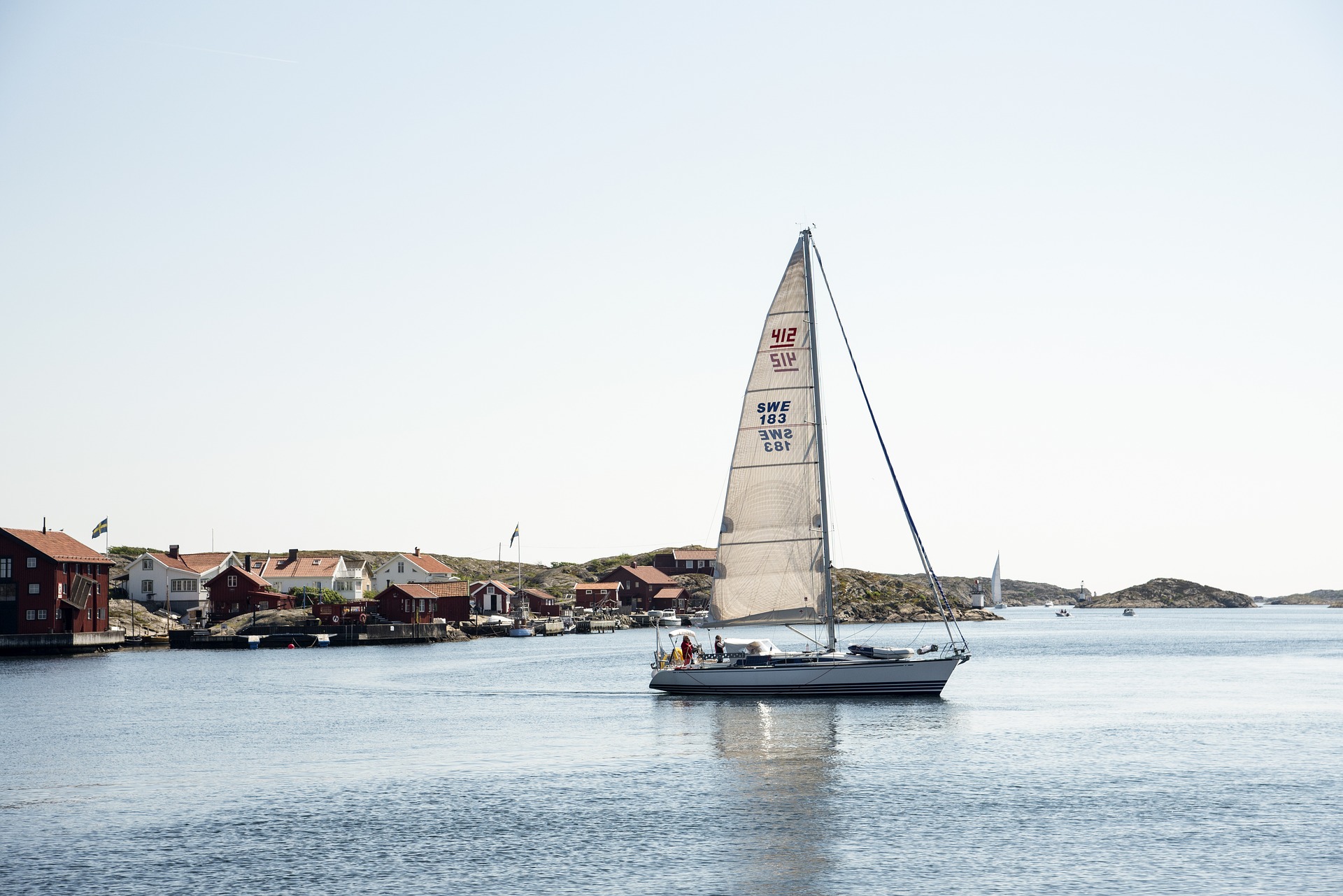
6. Sweden
Sweden. Sweden might not be the first destination you think of when thinking about a Europe bareboat charter, but it should be considered. Sweden isn't just snowy and a winter destination, it has over 220,000 islands to explore, many of which are uninhabited. Sweden is a great Europe bareboat charter destination with hiking, swimming, diving, and other outdoor sports.
Europe Bareboat Charter. Sweden has thousands of beautiful islands within reach of its cities such as Stockholm, which has white sand beaches, coves, and pine tree-covered shorelines, perfect for a Europe bareboat charter.
Bareboat License. For a Europe bareboat charter, in Sweden, a formal sailing license is required, in the form of an RYA Day Skipper or RYA International Certificate of Competence but only if the boat is longer than 12.4m in length.
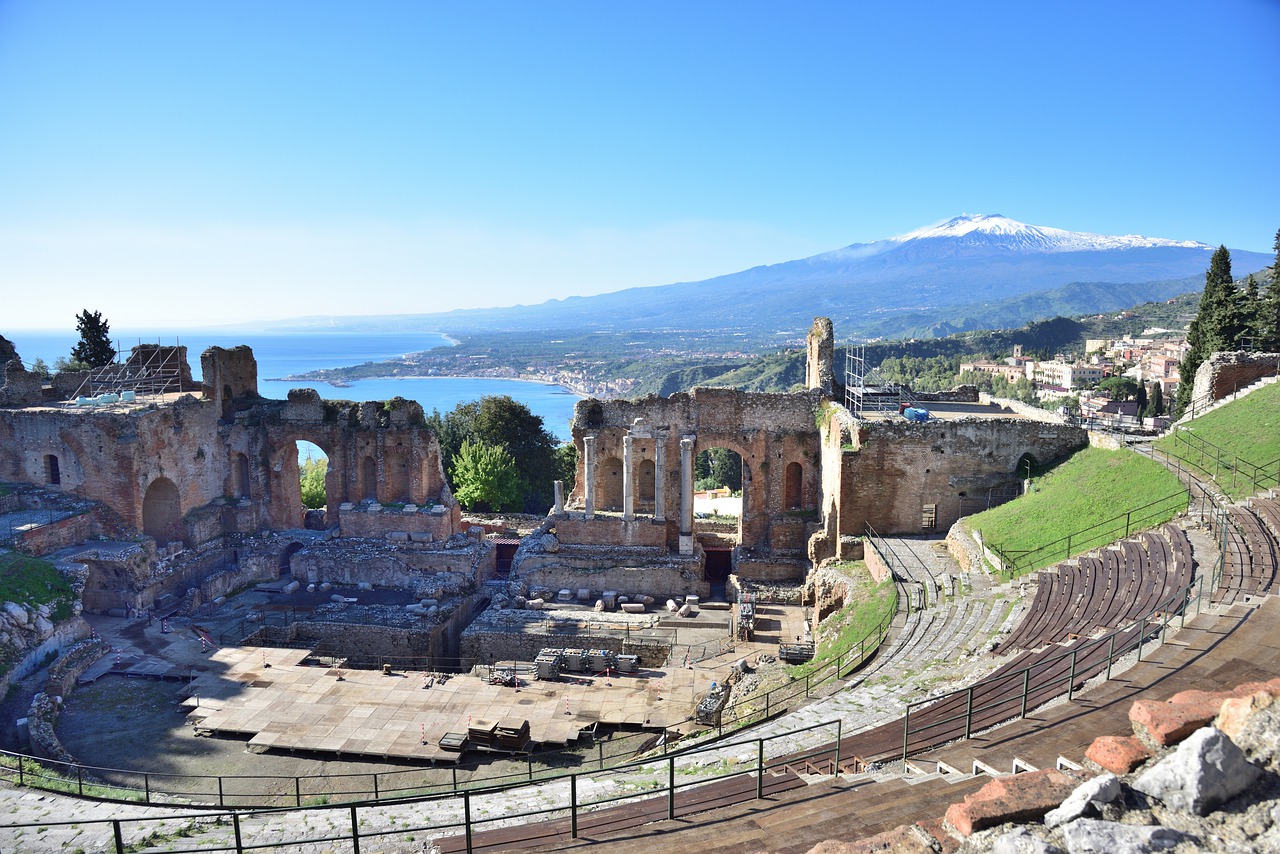
7. Sicily
Great Sailing Destination. Today, the cities are an exquisite beauty with Norman churches, Greek temples, and Baroque infrastructure forming it. The wonders don't stop there, Sicily is also rich in natural resources - in fact, on this island, you will find Mt. Etna, Europe's highest active volcano. There is indeed no other better way to explore Sicily than on a Sicily yacht charter.
Sicily Sailing. If Sicily's classical heritage is not enough to captivate you, you might be enticed to know that this island is also an artistic architecture of its own. A short stroll around Palermo will allow you to see Arab domes and arches, Byzantine mosaics and Norman palace walls. To see Baroque architectural masterpieces, you only need to circle around southeast Sicily. Throughout the island, you'll stumble upon vast evocative remnants of Arab and Norman castles. This is just one of the reasons why Sicily remains as one of the most captivating places in the world to take a Europe bareboat charter.
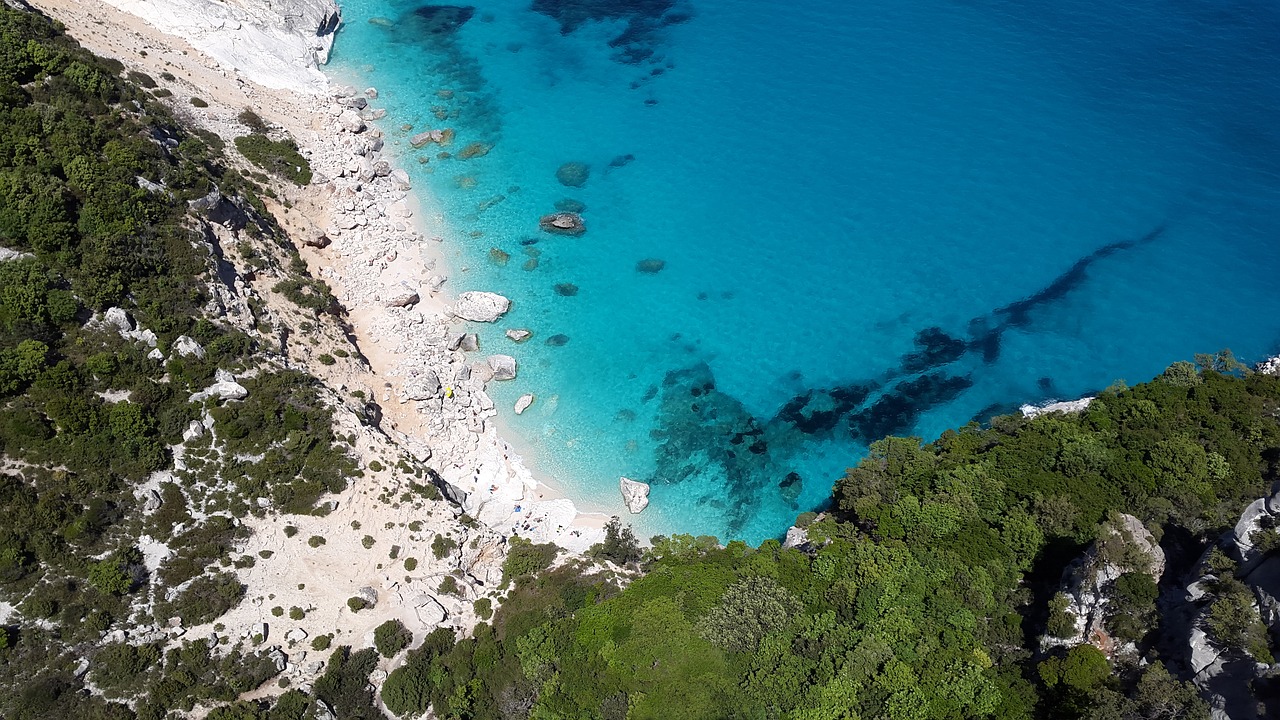
8. Sardinia
Sardinia. Sardinia is a beautiful Italian island and a large island in the Mediterranean. With over 1,100 miles of rugged Mediterranean coastline filled with traditional villages and charming harbours, it is an idyllic Europe bareboat charter destination. Sardinia is the perfect place for sailors of all abilities.
Sailing in Sardinia. There is no better way to discover the real Sardinia than sailing; the most beautiful beaches and bays of the Costa Smeralda wait for you to explore them. Either you prefer a flotilla or a bareboat charter, Sardinia is great for every type of Europe bareboat charter, to discover the hidden beauties of the island.
Bareboat License. For a Europe bareboat charter, in Sardinia a formal sailing license is required the skipper must possess one of the following;
- RYA Day Skipper Course
- ICC (International Certificate of Competence) International
- IPC (International Proficiency Certificate) USA
- NauticEd SLC (International Sailing License and Credentials) International
- USA - US Sailing "Basic Keelboat", and ASA "103 Basic Coastal Cruising" or above
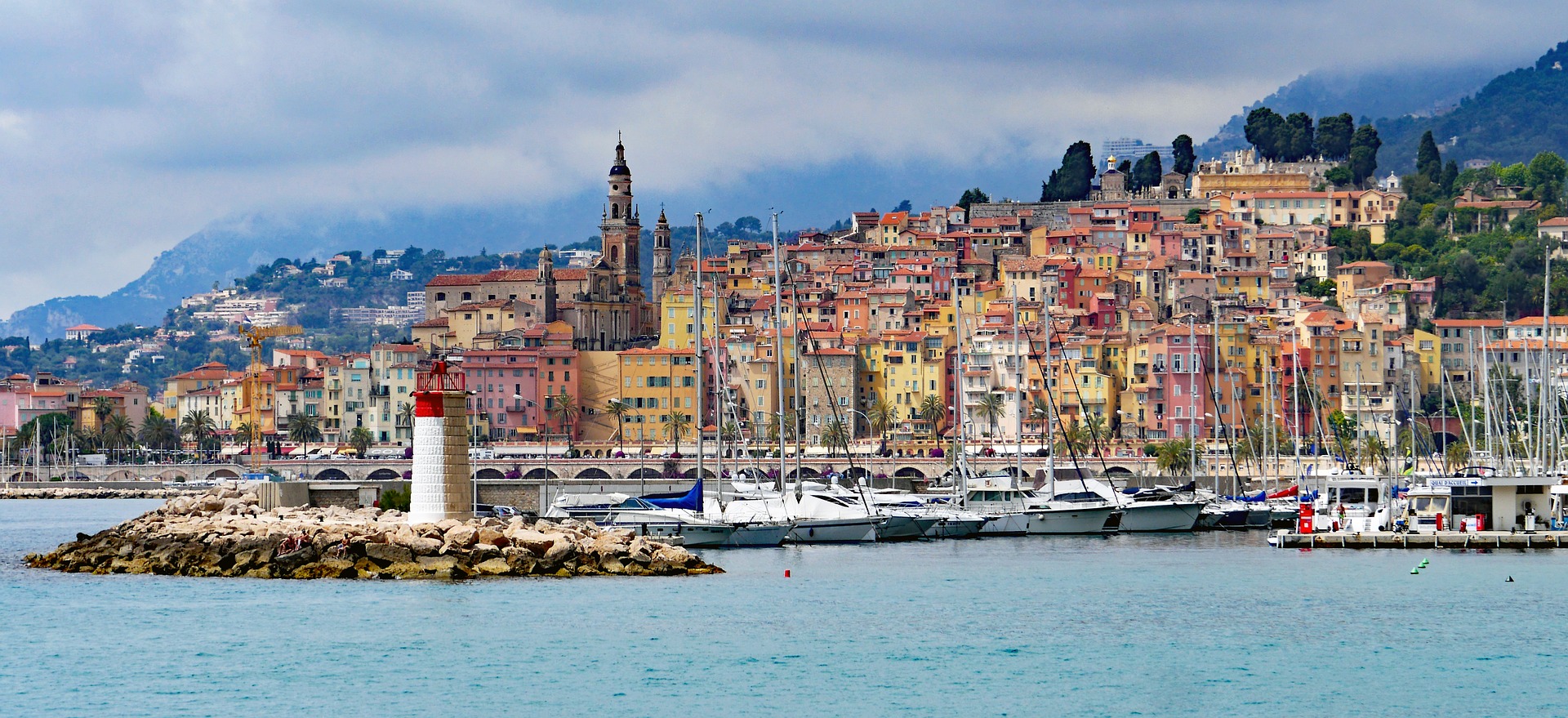
9. Italy
The Amalfi Coast. The Amalfi Coast is a 50 kilometre stretch of southern Italy's Mediterranean coast. The area was given UNESCO heritage recognition thanks to its historic landmarks, beautiful houses and it's place in history. The Amalfi Coast and its heritage status have attracted visitors from all over the world to its colourful houses, with the colours of majolica domes, bougainvillea, carnations pergolas, and whitewashed houses.
Picturesque Landscapes. The Amalfi Coast isn't all about beautifully coloured houses and hilltops, it is also a great place to begin a Europe bareboat charter with lots of surrounding places to discover;
- Salerno (a beautiful town with narrow streets and medieval churches)
- Sorrento (coves, cliffs, inlets, and spectacular views of the Bay of Naples)
- Procida (a small island with lemon groves and pastel-coloured houses)
- Ischia (a small island often referred to as the 'island of eternal youth' with mud baths and thermal mineral reserves)
- Capri (considered 'one of the most beautiful places on earth', with a rocky and rugged coastline, modern boutiques, and Blue Grotto Cave)
- Salerno (filled with historic sites and great food options)
- Naples (a picturesque town with museums, churches, and the birthplace of pizza and spaghetti, along with the Mount Vesuvius volcano)
- Positano (a fishing hamlet with colourful staircases and whitewashed houses)
- Pompeii (one of the most significant archaeological sites in the world, along with Roman towns, baths, and temples)
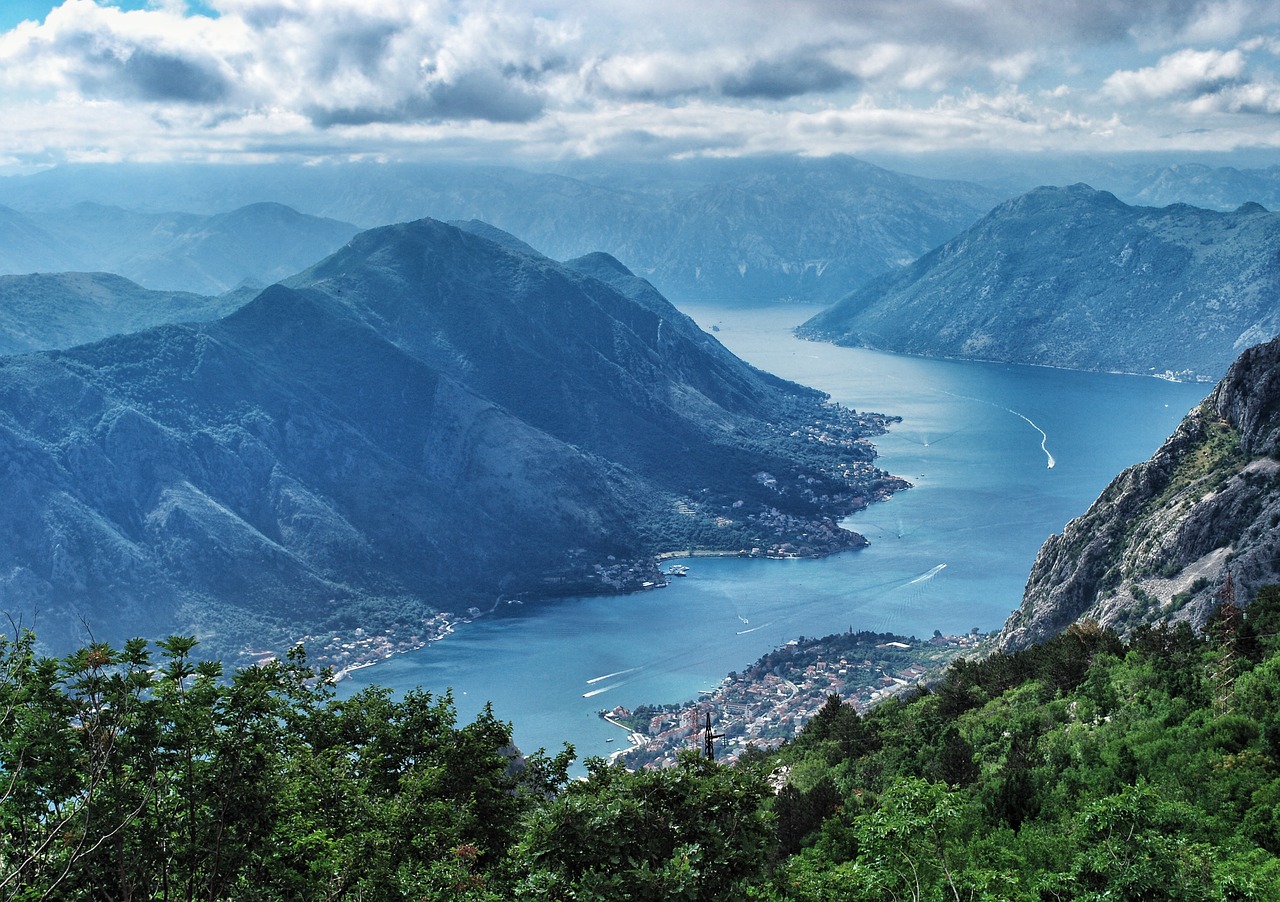
10. Montenegro
Montenegro Sailing. On a Europe bareboat charter, Montenegro is a great destination with UNESCO status and 300km of coastline. Located next door to Croatia Montenegro is filled with UNESCO World Heritage Sites, Venetian fortresses, pebble beaches, uninhabited islands, white sandy beaches, coves, and beautiful harbours.
11. Balearic Islands
The Balearic Islands. Located just the east coast of Spain, located in the Mediterranean. The collection of islands are made up of four separate islands - Ibiza, Mallorca, Menorca, and Formentera.
The Islands. Each island has something unique to offer with Ibiza being loaded with history, known for its thriving nightlife, and bohemian character. Mallorca is one of the most touristy islands but has great hiking, beaches, and nightlife. Formentera is well known for its rustic and cultural feel while having some of the best beaches in the collection. Menorca is quieter than its neighbouring islands but has the deepest harbour in the Meditteranean and is filled with charm.
Sailing. The Balearic Islands are one of our favourite places to sail on a Europe bareboat charter, for all abilities, with novice sailors experiencing not very rough oceans, and mild year-round temperatures, combined with ample facilities and lots of marinas. For the more experienced sailors, they can venture further offshore.
Amazing Sailing Experiences
Our Amazing Customers
Related Reading:
Got A Burning Question About Europe Bareboat Charter?

Christopher Lait
Chris founded Drake Academy, a sailing company that provides leadership training to businesses. Now the CEO of SailChecker.com you will find him handling many of your enquiries as he attempts to drive SailChecker.com forward as the company of choice for yacht charter and sailing by focusing on quality advice and great customer service.