

Founding Member: International Federation of Yacht Charter Agents

Verified & Protected by Pantaenius Yacht Insurance.
Quick Navigation
Our Guide To Navigating Coral
We Look At The Key Ways To Navigating Coral Safely
The ability to navigate coral when necessary is an essential skill. There are the obvious dangers to going aground, but it's important to give consideration to the stunning underwater landscape beneath. It is a true wonder of nature and, as we all know, take many years to evolve.
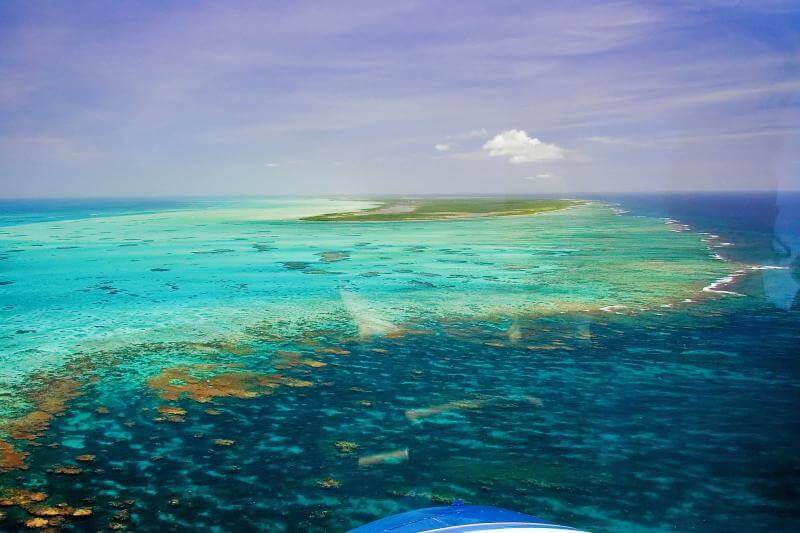
In good light conditions, coral reefs show up clearly and are relatively easy to avoid. In bad light, reefs are difficult to distinguish.
We hope you enjoy our lighthearted tips, they are intended as a guide only and you should not rely on this post alone. If you do have something to add, or a story to tell, we hope to improve on the information using your comments and suggestions (scroll to the bottom to leave us a comment).
It is a true wonder of nature and, as we all know, take many years to evolve.
How To Navigate Coral
1. The Lighter The Blue
THE LIGHTER THE BLUE, the shallower the water should be the coral pilot's mantra, and green/brown usually means a coral head lying close beneath the surface. In bad light it's best to have the sun high in the sky and, if possible, limit your sailing among coral to within two or three hours either side of local noon. Better, too, to have the sun at your back, especially if it is lower in the sky.
2. Post A Lookout
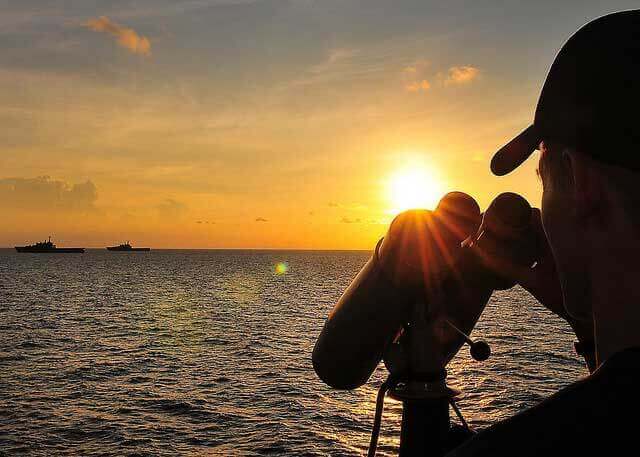
Post a good lookout, preferably up the mast. The height will ensure that reefs can be easily seen in time for avoiding action. Lookout and helmsman should be wearing polaroid sunglasses, which cut out glare and dramatically improve visibility.
Agree Signals

Arrange some simple hand signals between lookout and helm. The vigorous continental arm waving approach can be highly entertaining, but is rather hit and miss, and generally more hit than miss. It is often enough to simply differentiate between pointing at a danger (perhaps with a single finger) and indicating a required turn (with a flat hand). Both signals can be accentuated with movement, but the danger of confusing them is obvious.

3. Entering Lagoons
Find A Transit
One last tip on entering lagoons. Passages through barrier reefs are notoriously difficult to spot. Try to confirm your line with a visual bearing onto the island, as chart datums are often uncertain in far-flung locations. It will help to keep you on track too - there is often a swell running, as well as a current.
4. Get The Complete How To Navigate Coral Guide Here

5. Beyond The Reef
So Much to Enjoy. Remember, Your Best Defence Against Coral is Your Eyes
Your Opinion
Do you have any comment on what we have suggested, or perhaps an idea of your own. Please leave us a comment below and we'll be sure to respond.
If you are looking to charter, our helpful staff would be delighted to help you out. Write to us info@sailchecker.com, we would be delighted to help.

Christopher Lait
Chris founded Drake Academy, a sailing company that provides leadership training to businesses. Now the CEO of SailChecker.com you will find him handling many of your enquiries as he attempts to drive SailChecker.com forward as the company of choice for yacht charter and sailing by focusing on quality advice and great customer service.